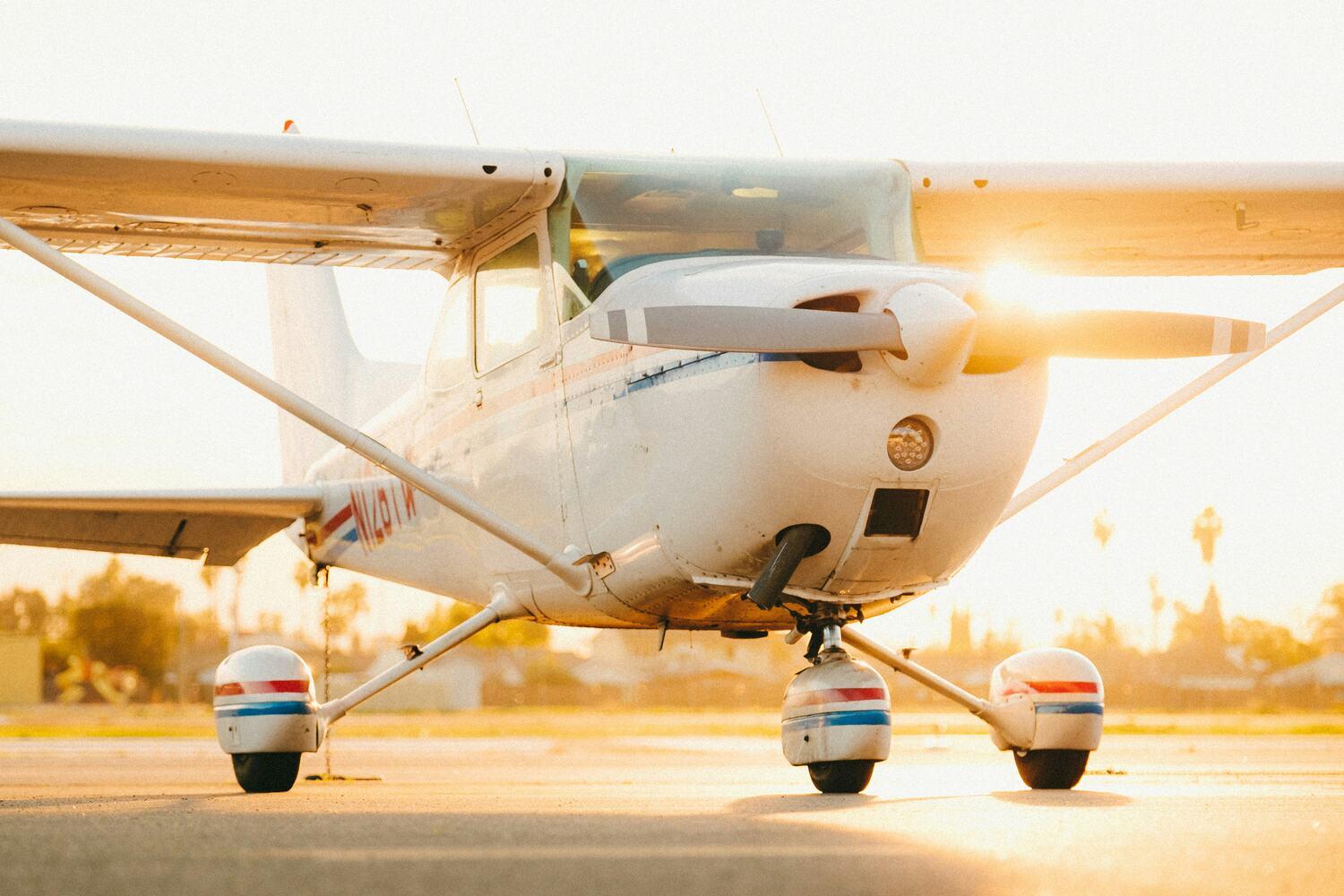
Single-Engine Piston
What single-engine airplane should I buy?
Aircraft with a valid registration, counted live from the FAA file.
Two thirds of the US fleet and almost every sensible first airplane. Four seats, one engine, a mechanic at every field — and the category most buyers should stop at rather than pass through.
This is the category almost everyone should buy into, and it is the one a surprising number of owners talk themselves out of on the way to something faster. The single-engine piston fleet is enormous, which is the whole advantage: parts are on a shelf, every field has someone who has worked on one, the type clubs are active, and resale is quick because the buyer pool is deep.
The range runs from a two-seat trainer at forty thousand dollars to a turbocharged composite single approaching a million. What they share is one piston engine, fixed or retractable gear, and an operating cost that a normal person can carry.
The honest limitation
Useful load. A four-seat airplane is very often a two-adults-and-bags airplane once it has enough fuel to go anywhere worth going. This catches nearly every first-time buyer, and it is the single most common reason an airplane gets sold within two years.
The fix is arithmetic before shopping, not after. Put your real trip and your real passengers into the mission planner and watch which airplanes carry it and which miss. The ones that miss by fifty pounds are a bag left at home. The ones that miss by four hundred are not your airplane.
What to look at
- Engine time against TBO, and whether the reserve has been funded — this is most of the price difference between two similar airplanes
- Whether it has been flown regularly; an airplane that sat is more expensive than one that worked
- Corrosion history and where it has lived, which a coastal life makes visible
- The avionics, honestly — an obsolete panel is a deduction, not a neutral
- Logbook completeness, because a buyer cannot verify what is not written down
The most common single-engine piston flying today
Fleet size is not trivia. It decides how fast you get a part, whether the shop at your field has seen one before, and how long the airplane sits when you sell.
| Make | Model | Seats | Active |
|---|---|---|---|
| ERCOUPE | 415-C | 2 | 613 |
| AERONCA | 11AC | 2 | 586 |
| ENGINEERING & RESEARCH | ERCOUPE 415-C | 2 | 266 |
| AERONCA | 15AC | 4 | 158 |
| ENGINEERING & RESEARCH | 415-C | 2 | 158 |
| ALON | A2 | 2 | 144 |
| AERONCA | 65-CA | 2 | 138 |
| AERONCA | 0-58B | 2 | 130 |
| ERCOUPE | 415-D | 2 | 99 |
| AERO COMMANDER | 112 | 4 | 97 |
| AERO COMMANDER | 100 | 4 | 92 |
| AIR TRACTOR INC | AT-301 | 1 | 84 |