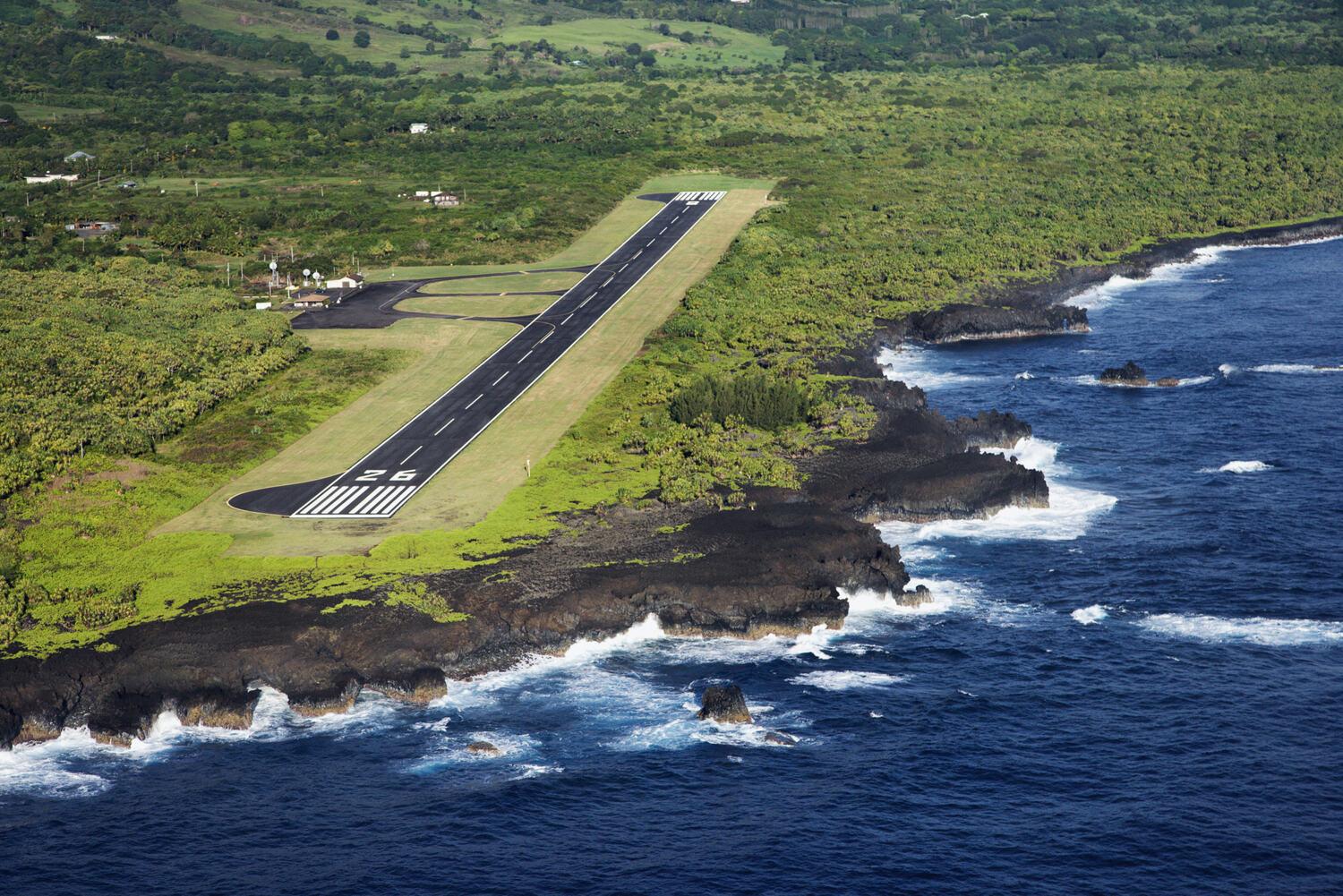
How to buy an airplane
Nine steps from “maybe” to “it’s in my hangar” — with the paperwork, the money, and the parts people skip.
Nobody buys their first airplane twice. The process rewards patience in a way almost nothing else about flying does — the ramp is full of airplanes that were bought in a weekend and regretted for a decade.
What follows is the sequence as it actually happens, not as a broker would like it to. Work through it in order. Steps 1 through 3 cost you nothing but evenings, and they eliminate most of the airplanes you were excited about — which is the point.
Before you look at a single airplane for sale, write down the flying you actually do. Not the flying you picture. This step is free, it takes an evening, and it eliminates most of the airplanes you were excited about.
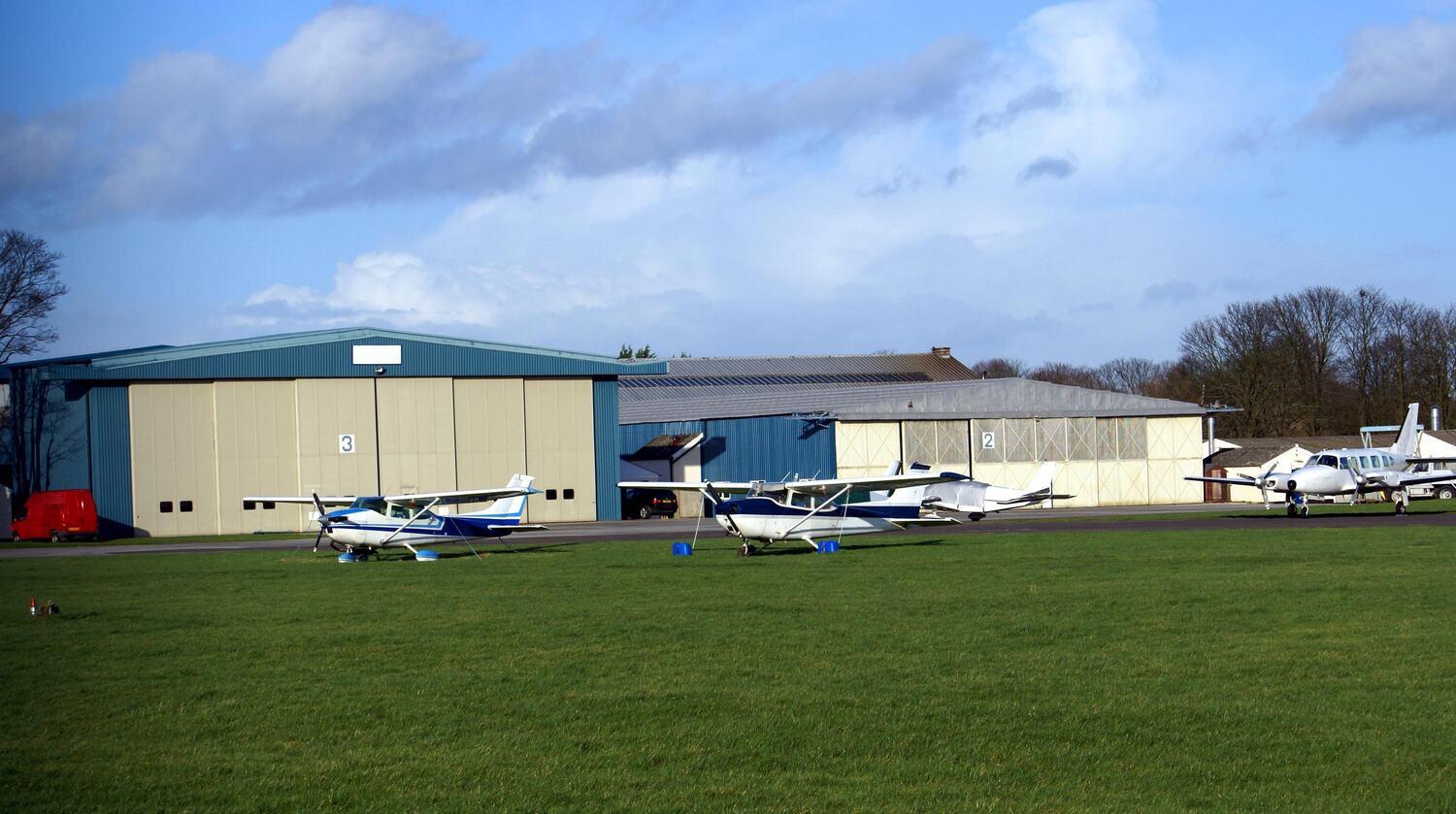
Category first — how many engines, what kind, where the wing sits, whether the gear retracts. Model shopping before this is how people end up with the wrong airplane and a good story about why.
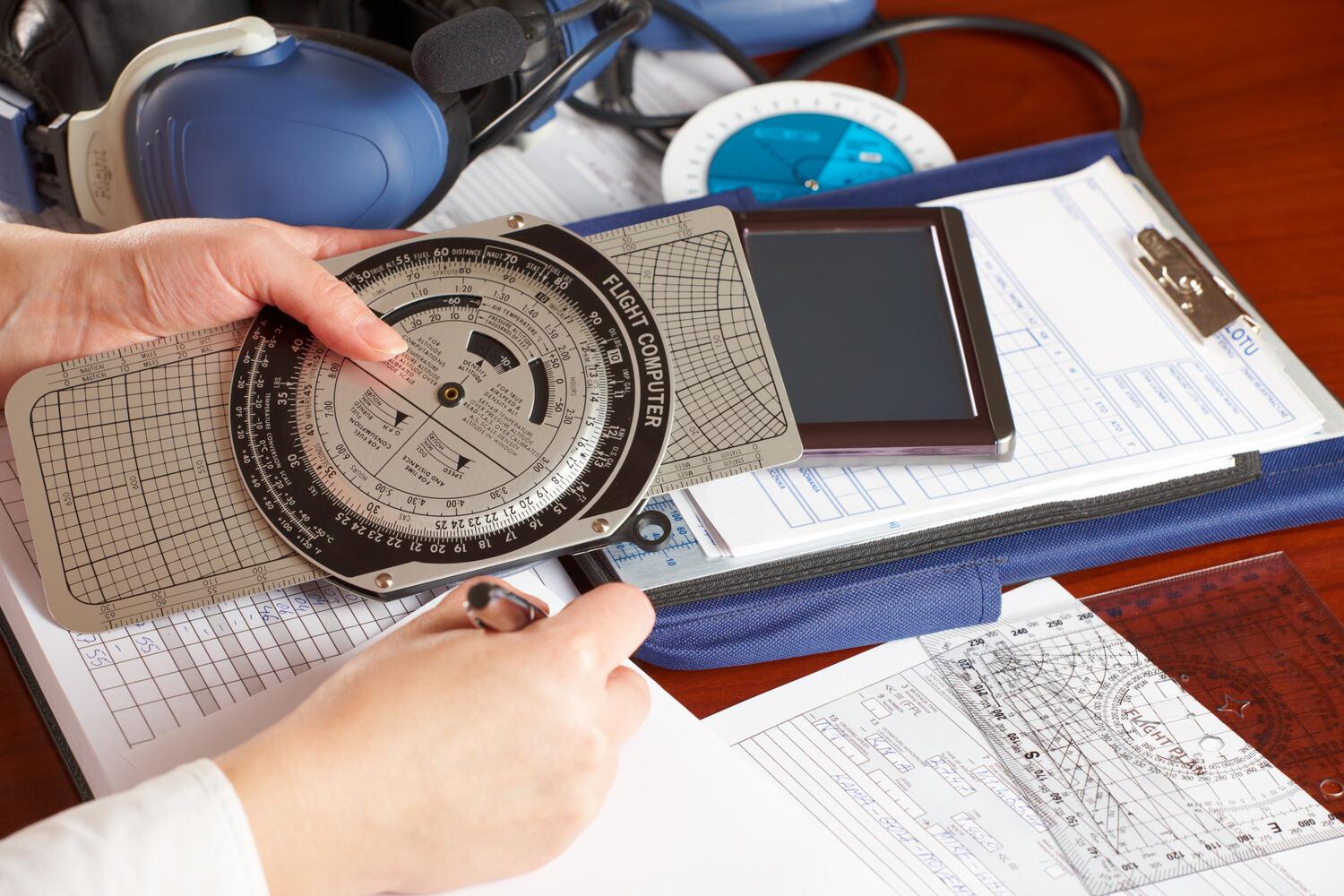
Hangar, insurance, annual, engine reserve, fuel. If this number scares you, stop here — it only goes up. Most people who regret buying an airplane regretted the operating cost, not the purchase price.

Get quoted before you shop, not after you find the airplane. Insurance in particular may require training you do not have yet — and that changes what you are allowed to buy.
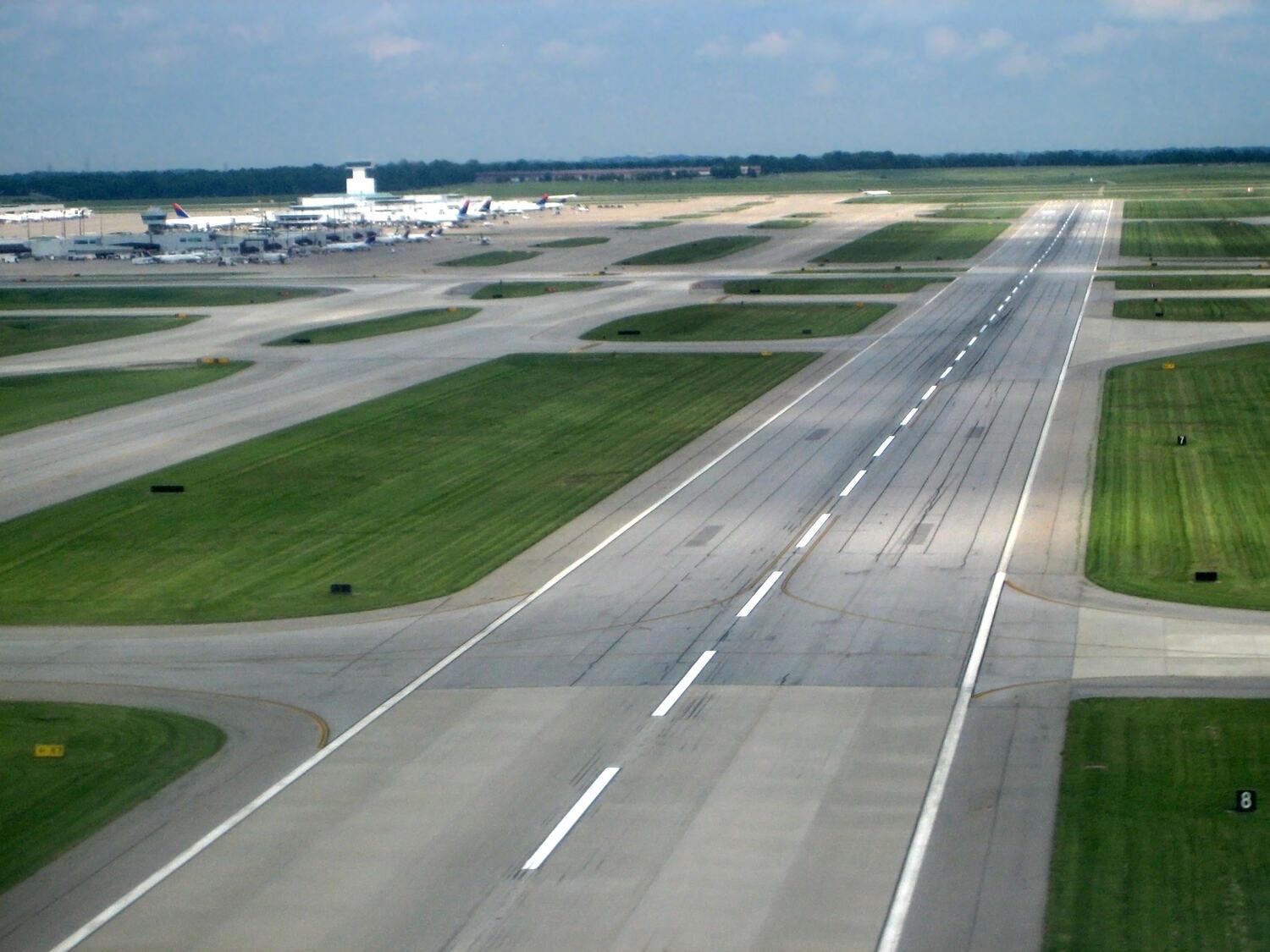
The airplanes listed for sale are a fraction of the airplanes actually available. Plenty of owners would sell for the right number and have never posted an ad.
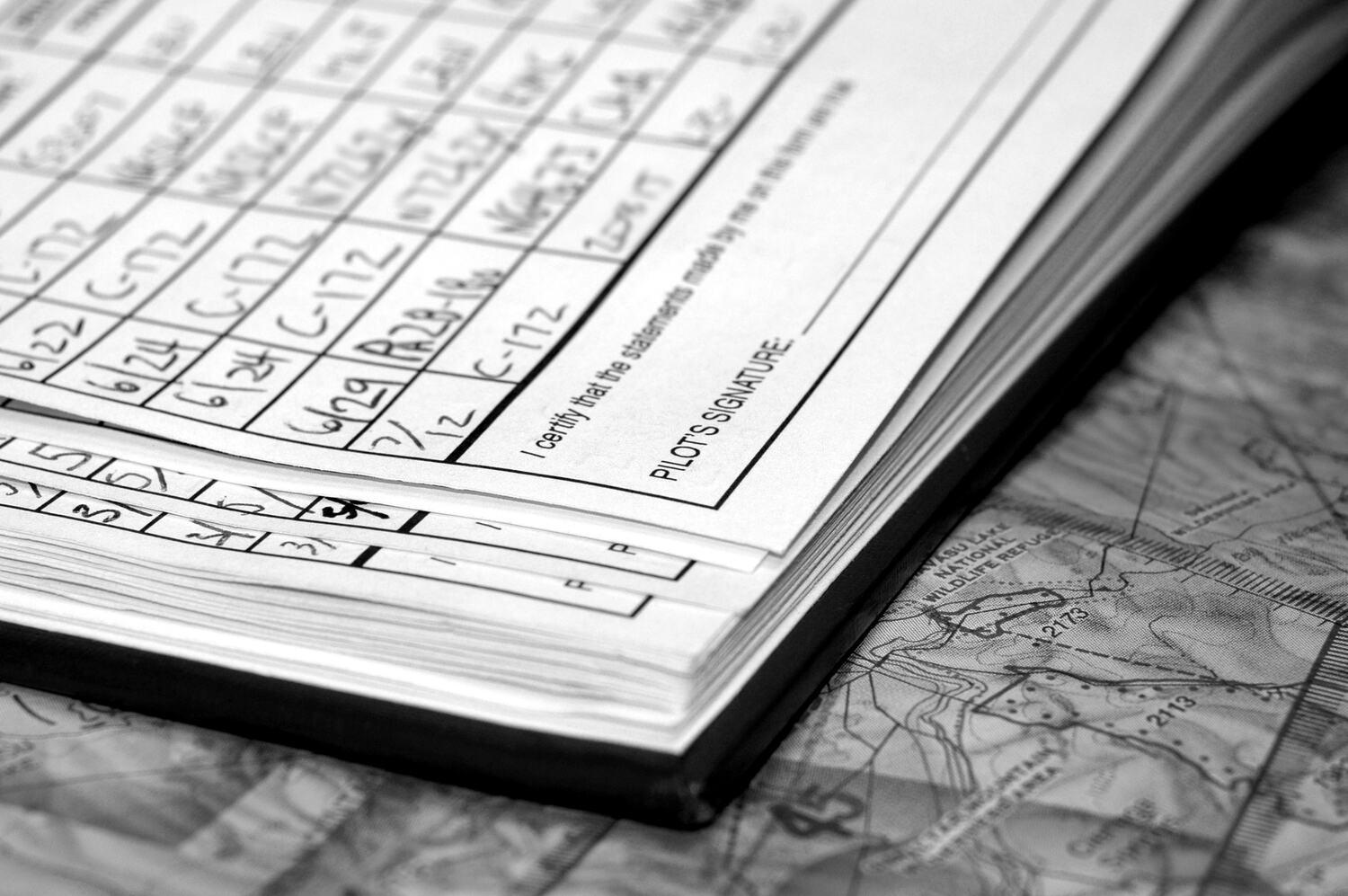
Ask for scans before you buy a plane ticket. A three-year gap or a missing 337 tells you more about an airplane than any photo set will, and it costs nothing to find out.
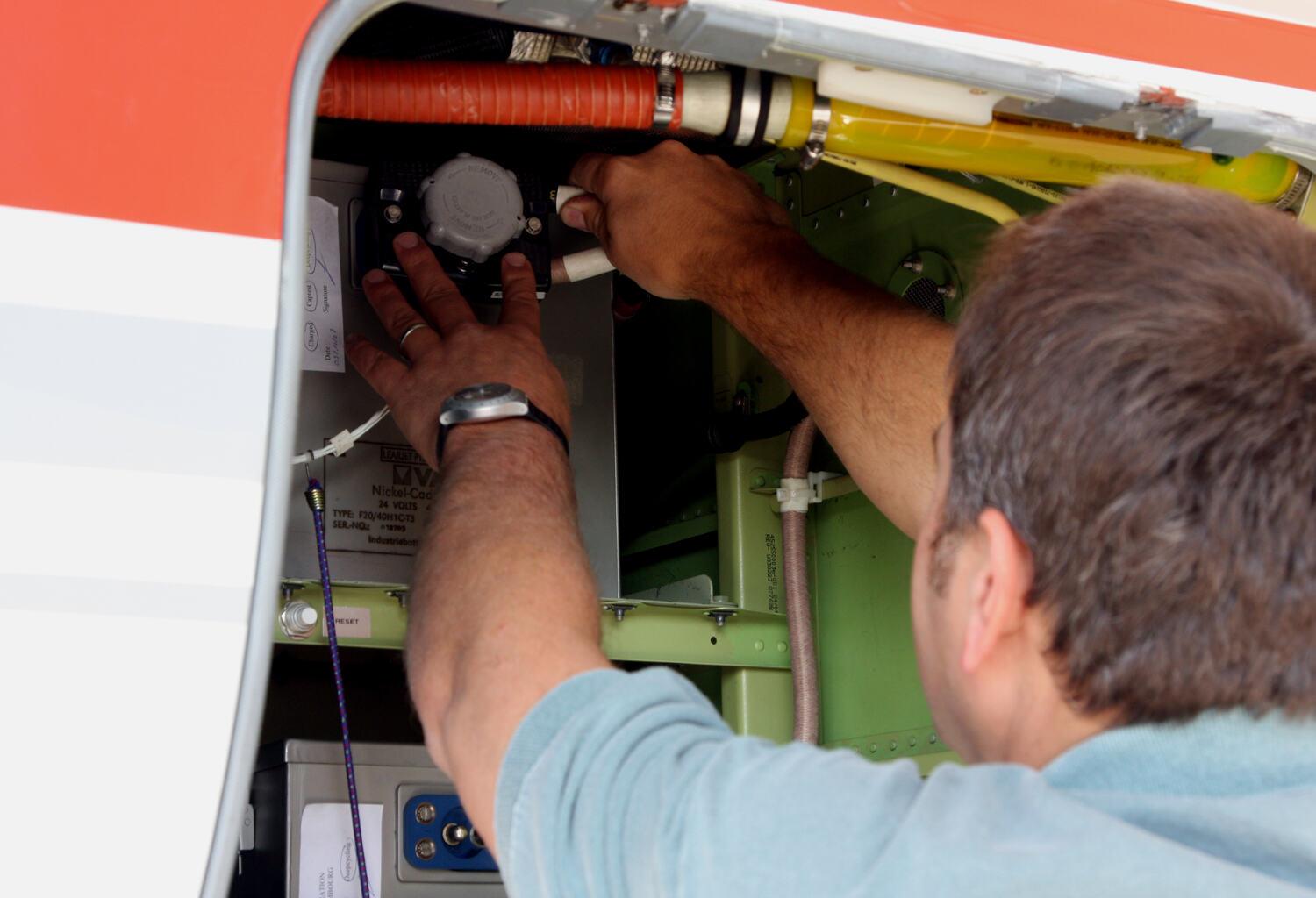
Your mechanic, not the seller’s. Budget $1,500 to $4,000. It is the cheapest money in the entire transaction and the only step here that regularly saves people five figures.
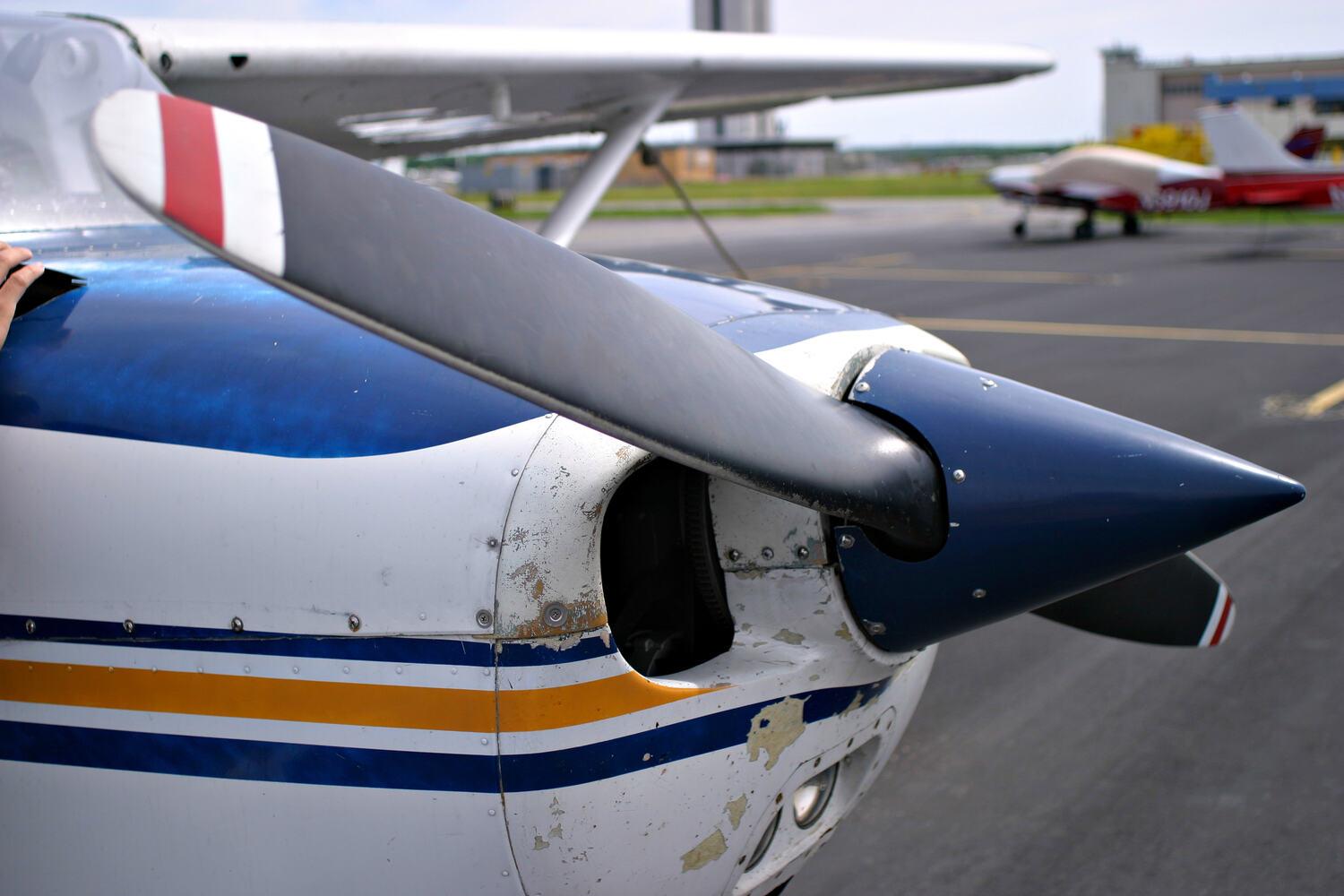
The pre-buy findings are the negotiation. Everything before this was positioning. Decide in advance which items are deal-breakers and which are price adjustments, and do not move that line under pressure.
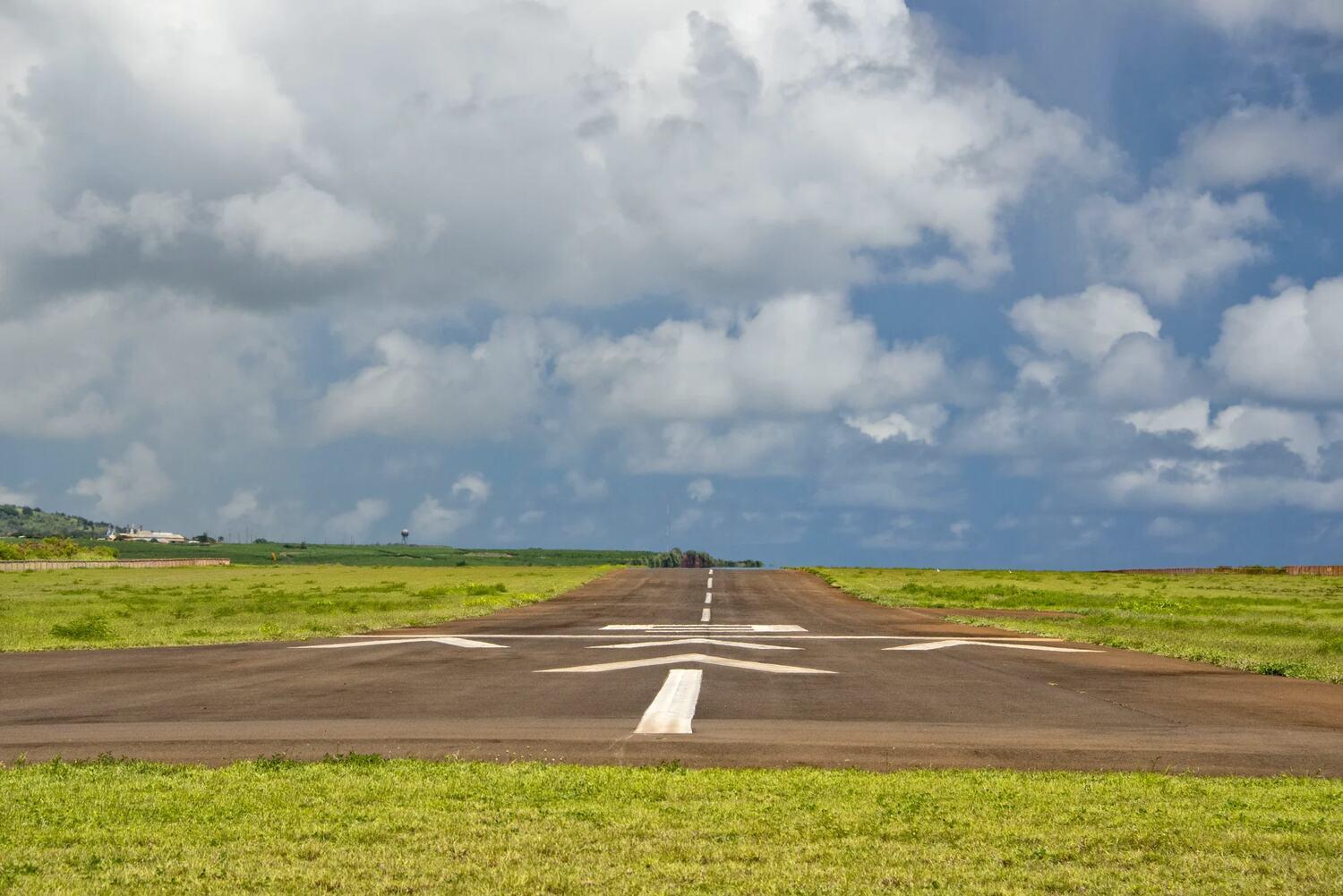
Escrow holds the money, runs the title search, and files the registration. Then you get the best flight of your life — assuming you planned it properly, which most first-time owners do not.
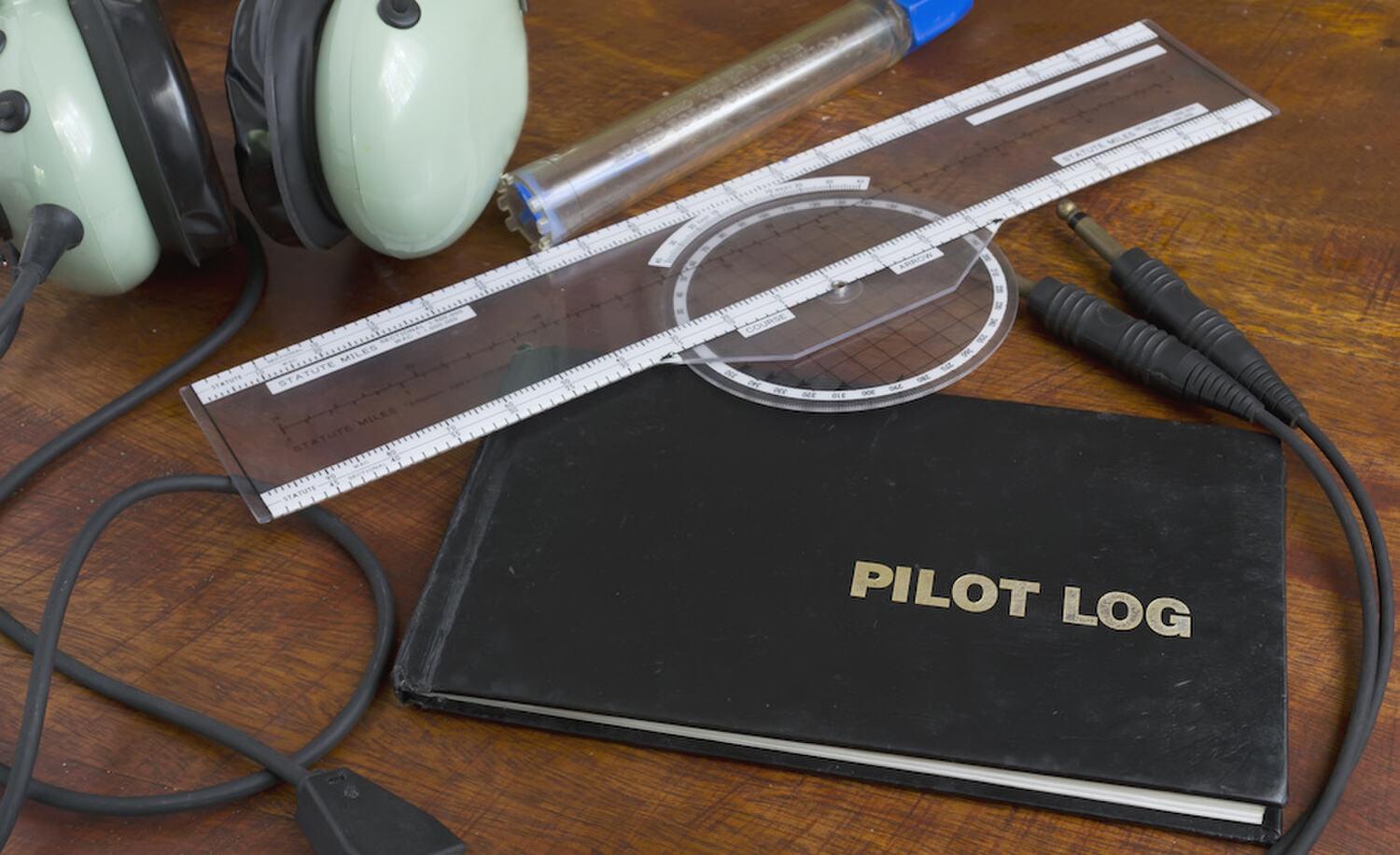
Buying your first airplane
The whole sequence in one PDF, with the pre-buy checklist, a blank cost worksheet, and the FAA forms you’ll need on closing day. Written for a first-time buyer, not a broker.
Download the guideWhat changes hands at closing
Every item below has an FAA form number or a legal counterpart. Escrow handles most of it; you should still know what each one does.