Backcountry & Taildraggers
What is the best backcountry airplane?
Big tires, short strips, and the airplanes that hold their value better than anything else in general aviation. Also the ones that ask the most of the pilot on the ground.
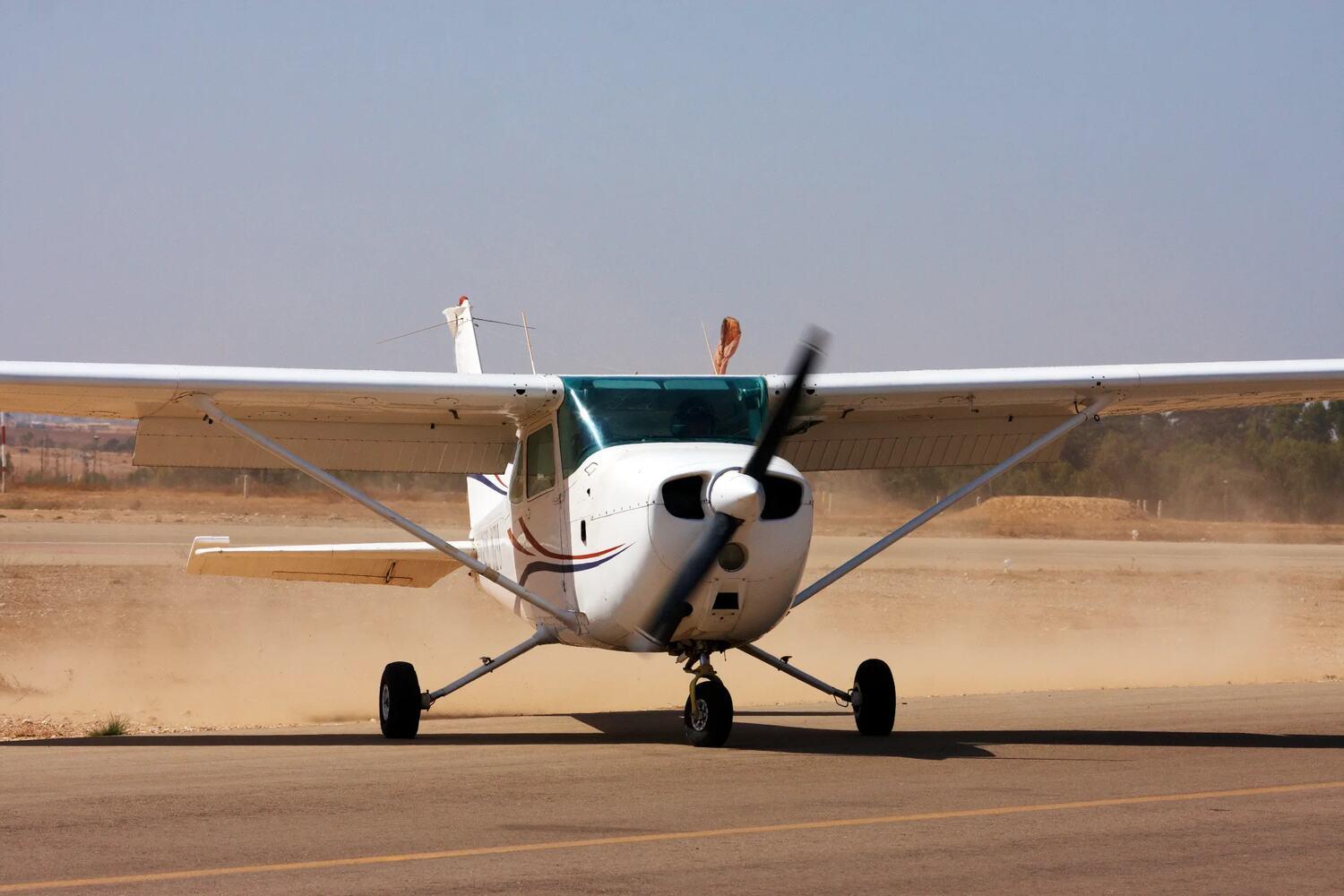
This category is defined by what it does rather than what it is: get into and out of short, rough, unimproved places. In practice that usually means a taildragger, a lot of wing for the weight, oversized tires, and an engine with power to spare at low speed.
It is also the one corner of general aviation where values have gone steadily up. A well-sorted Super Cub costs more today than it did a decade ago, and more than it cost new by a wide margin. That makes these airplanes unusual: a purchase that is not obviously a depreciating asset.
The tailwheel question
Most of this category is conventional gear, which needs a logbook endorsement and a genuine change in how you handle the airplane on the ground. With the main wheels ahead of the centre of gravity, a swing that starts tends to grow rather than damp out — which is the ground loop, and it is what almost all tailwheel incidents are.
The endorsement itself is five to fifteen hours and most pilots describe it as the best training they ever did. What takes longer is staying current: the skill decays, and unlike most decay in aviation this one shows up on the ground rather than in the air.