Commission the pre-buy inspection
Your mechanic, not the seller’s. Budget $1,500 to $4,000. It is the cheapest money in the entire transaction and the only step here that regularly saves people five figures.
- Time
- One to two weeks
- Cost
- $1,500 – $4,000
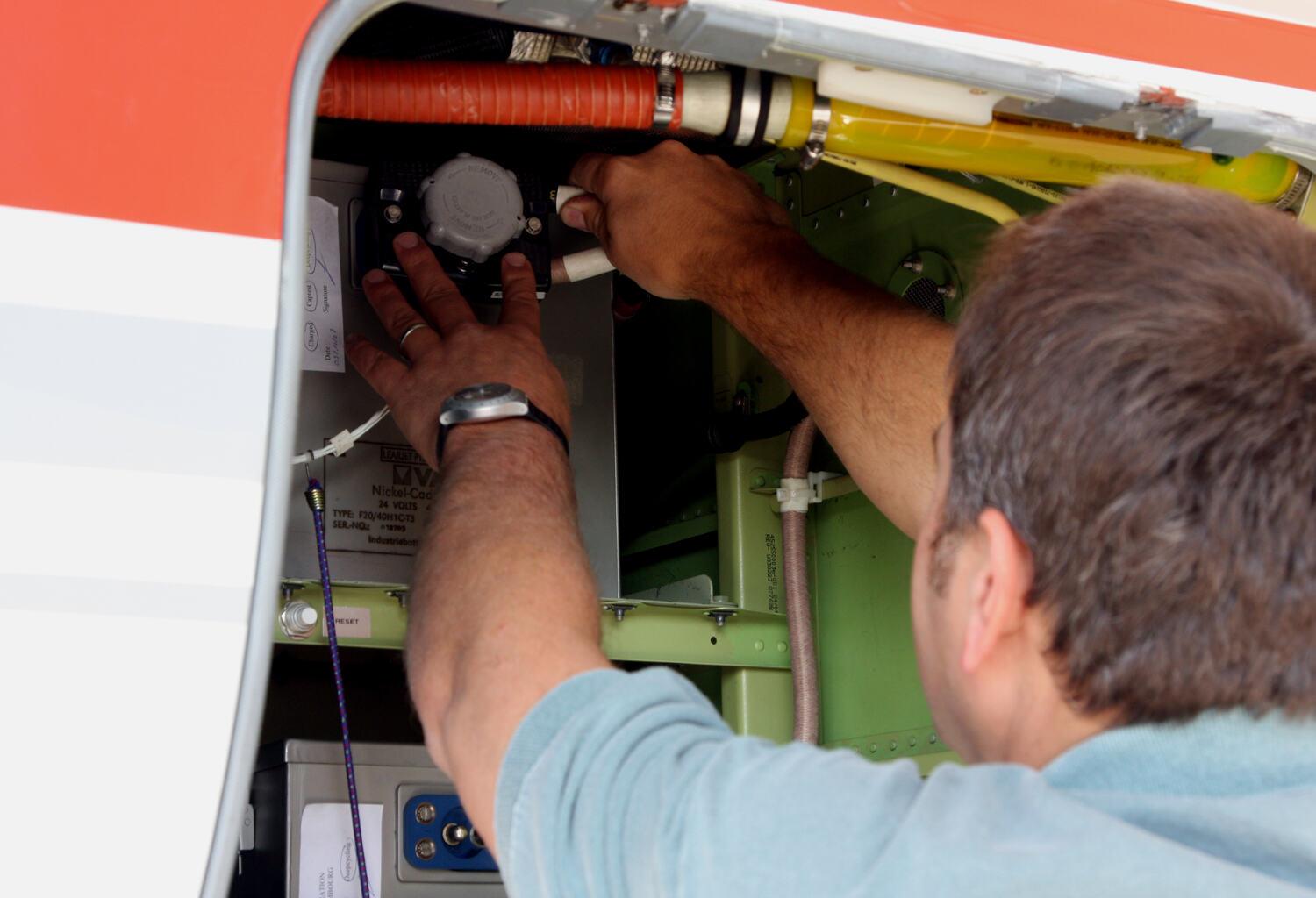
A pre-buy inspection is not an annual and it is not a formality. It is an independent mechanic, working for you, looking specifically for the things that would change what the airplane is worth or whether you want it at all.
Who does it matters more than what it costs
Use a shop with real experience on the type, and one with no relationship to the seller. The seller’s regular mechanic has been signing off on this airplane for years; asking him to find problems with it is asking him to indict his own work. Type clubs keep lists of shops that specialise, and those lists are worth more than any price comparison.
Expect to pay to ferry the airplane to the shop, or for the mechanic’s travel. Expect the seller to want a deposit in escrow before the airplane comes apart. Both are normal and neither is a red flag.
What a good pre-buy covers
- Compression test on every cylinder, plus a borescope of each
- Oil analysis, and a look at the filter for metal
- Corrosion survey — spar carry-through, belly, control surfaces, and the known trouble spots for the type
- Complete AD compliance review against the actual logs
- Avionics function check and IFR certification status
- Control rigging, cable condition, and gear operation if retractable
- A careful look at anything a 337 says was repaired
The findings that end deals
Most findings are negotiable. A few are not, and deciding which is which before you start keeps you from talking yourself into a bad airplane after you have already spent money and a weekend on it.
Corrosion in primary structure, an undocumented major repair, an airworthiness directive that cannot be economically complied with, and logbooks that turn out to be materially wrong are all reasons to walk. Worn tires, a tired interior, an out-of-date database and a magneto due for overhaul are reasons to negotiate.
A borescope or compression test in progress — hands, tools, an open cylinder, shot close and a little gritty. Our mechanic-in-panel image is good but now appears three times across the site.
- Hire your own mechanic, ideally a type specialist
- Agree in writing who pays for what before work starts
- Insist on compressions, a borescope, oil analysis and an AD review
- Know before you start which findings are walk-aways and which are price