Pick a category, then a model
Category first — how many engines, what kind, where the wing sits, whether the gear retracts. Model shopping before this is how people end up with the wrong airplane and a good story about why.
- Time
- A week or two of reading
- Cost
- Free
There are a few hundred airplane models you could plausibly buy. There are about eight categories. Working at the category level first cuts the problem down to something a person can hold in their head, and it forces the structural decisions — the ones that drive cost — ahead of the emotional ones.
The four structural decisions
Everything else is detail. These four set your insurance premium, your maintenance bill, your training requirement and your resale market.
| Decision | What it buys | What it costs |
|---|---|---|
| One engine or two | Redundancy, more payload, better ice capability | Roughly double the maintenance, much higher insurance, a rating and recurrent training |
| Piston or turbine | Speed, altitude, dispatch reliability, a simpler cockpit workload | A different financial universe — fuel burn, overhaul reserve and hangar all step up hard |
| High wing or low wing | Shade and easier loading, or better visibility in turns and easier fuelling | Mostly preference — but it changes what the airplane is like on a hot ramp |
| Fixed or retractable gear | Five to fifteen knots of cruise speed | A complex endorsement, higher insurance, gear-up risk, and an expensive inspection item |
Then, and only then, pick models
Once the category is settled you are usually looking at three to six realistic models. Compare them on the numbers that came out of step one — useful load with full fuel, range at your normal power setting, runway required on a hot day — rather than on cruise speed, which is the number every seller leads with and the one that matters least.
Weigh fleet size too. An airplane with twenty thousand examples flying has a parts shelf, a type club, a documented body of known issues, and a mechanic at most airports who has seen one. An airplane with four hundred flying can be the better machine and still cost you a month of downtime waiting on a part from overseas.
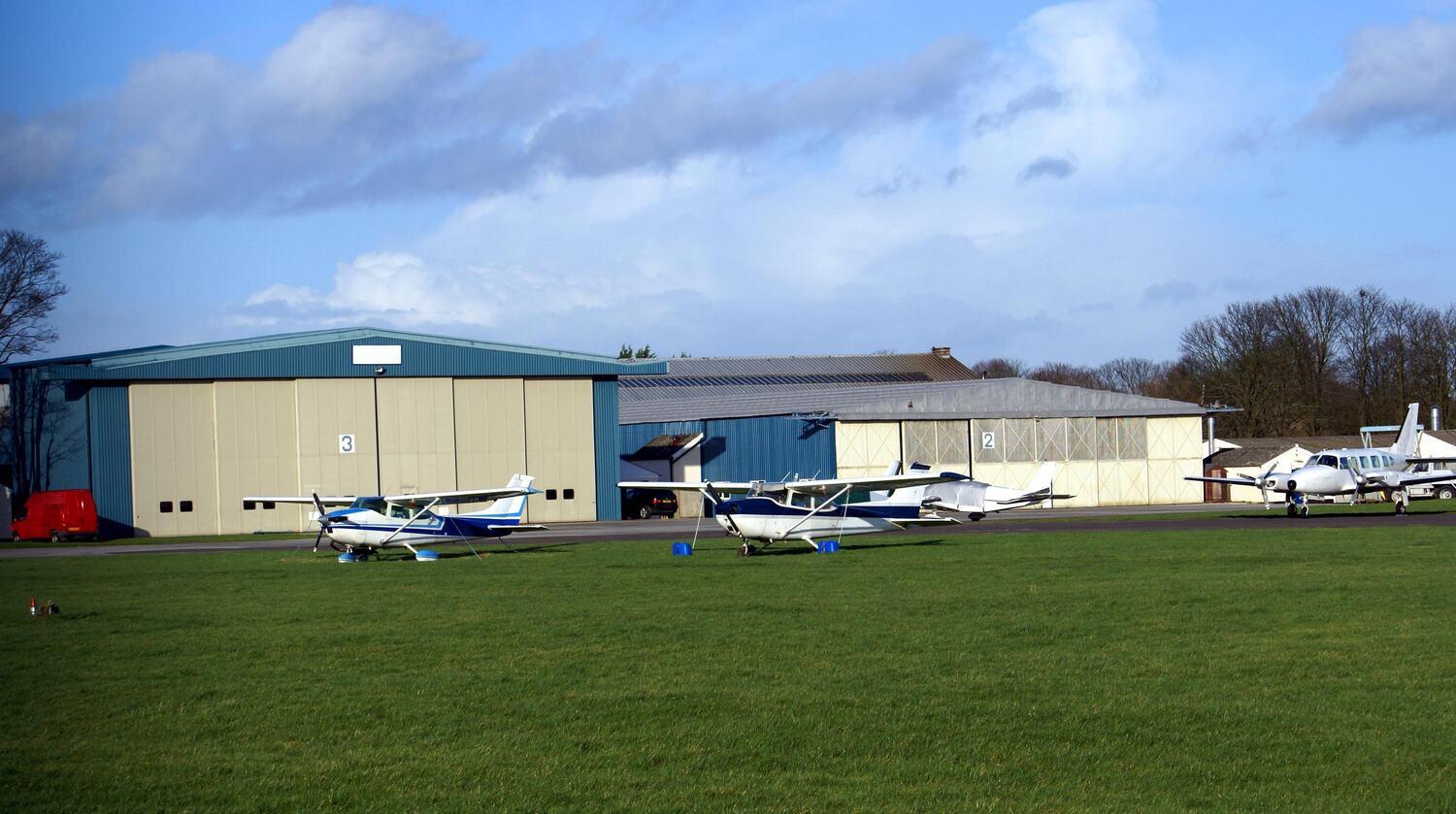
A ramp or hangar row with three or four clearly different categories in one frame — high wing, low wing, twin, taildragger. A wide shot at a fly-in would do it.
- Settle engines, powerplant, wing position and gear before looking at models
- Compare finalists on useful load and runway required, not cruise speed
- Prefer a large fleet unless you have a specific reason not to
- Join the type club before you buy — it is the cheapest research available