

What MOSAIC changes if you’re buying
For a lot of people the medical certificate was never a paperwork problem. It was the reason they stopped shopping. MOSAIC moved that line, and it moved it far enough to be worth reopening a conversation you may have closed years ago.
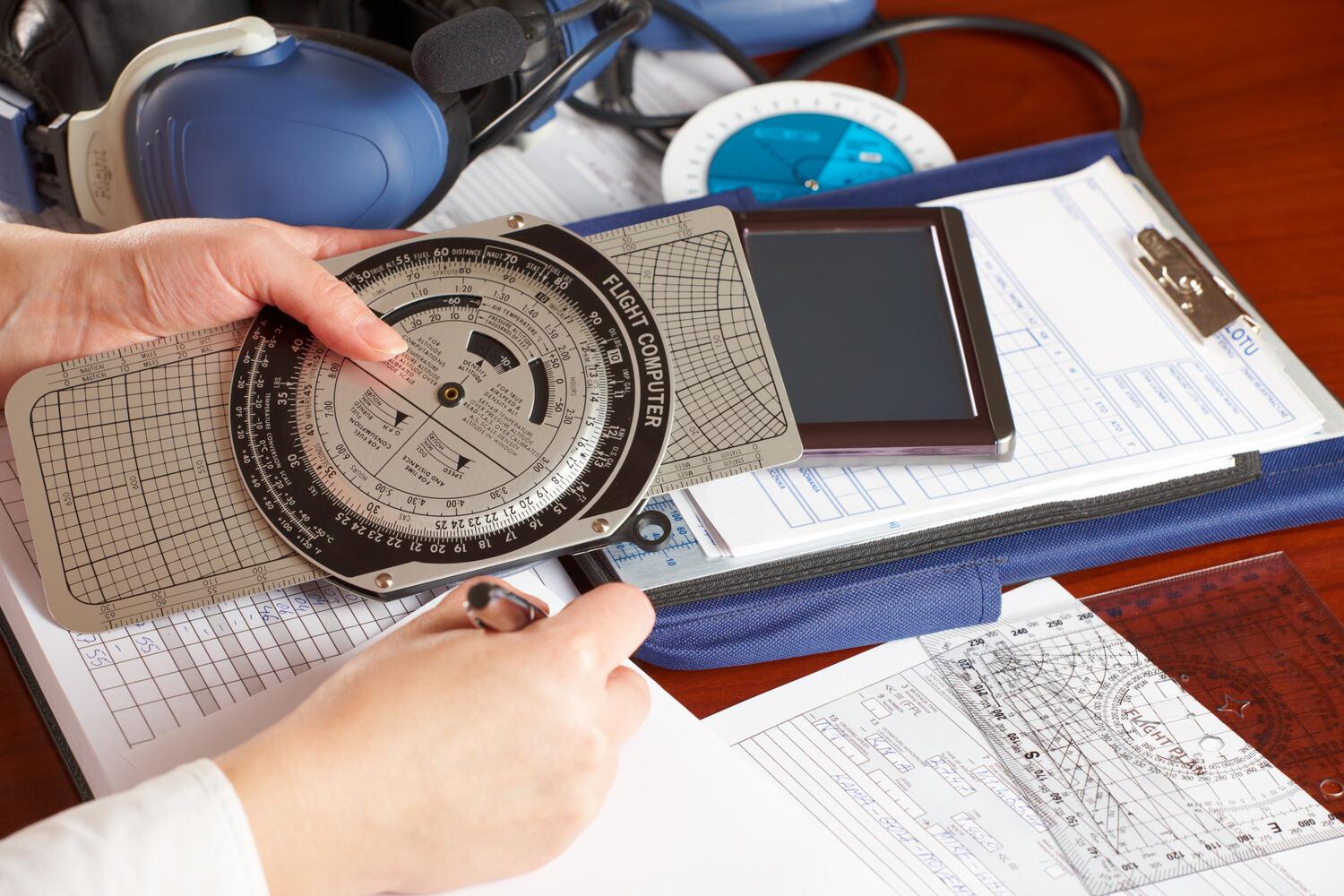
There is a particular conversation that happens at every airport in the country. Someone who flew for years, or nearly learned to, explains that they would love to own an airplane but the medical is a problem — a condition, a medication, a special issuance that turned into an annual paperwork ordeal, or just a reasonable fear of what an examiner might find.
Until recently the honest answer was that their options were a two-seat light-sport machine, a glider, or BasicMed if they still qualified for it. After MOSAIC, the honest answer is different, and considerably better.
The short version
A sport pilot flying on a valid driver’s licence may now fly an airplane with up to four seats, carrying one passenger, with retractable gear and a constant-speed propeller given the right endorsements, at whatever speed the airplane will do, and at night with an endorsement and BasicMed or a third class.
The gate is a single number: the airplane’s stall speed clean, flaps up, in calibrated airspeed, at maximum takeoff weight. 59 knots or below and a sport pilot may fly it.
Which specific airplanes fall under it is a per-model question, and it has to be answered from each airplane’s handbook rather than from a list someone assembled on a forum. That is a real research job and we would rather do it properly than publish a guess.
What this changes about how you shop
If you are buying under sport pilot privileges, one number joins the five in the mission worksheet, and it joins them at the top. Clean stall speed is not a preference or a nice-to-have — it decides whether you are legally permitted to fly the airplane at all. Establish it before you get attached to anything.
- Ask for the clean stall speed in KCAS at maximum gross weight, from the handbook, before you go and look at an airplane
- Be careful with indicated versus calibrated airspeed — at low speeds the difference between them is real, and the regulation is written in calibrated
- Remember that modifications can change it. A gross weight increase from a supplemental type certificate raises stall speed, and could in principle push an airplane across the line
- Two seats being empty is not the same as two seats not existing. You may fly a four-seat airplane; you may carry one passenger in it
The order of operations, which matters
If you have never applied for an FAA medical certificate, the driver’s licence route is open to you and no application is needed to use it.
If you have applied before, the question is what happened to your most recent application. If it succeeded, you are fine. If it was denied or deferred, or a certificate was suspended or revoked, the driver’s licence route is closed.
None of that is legal or medical advice, and your situation may have wrinkles that a website cannot see. It is a reason to ask a professional before you act, not a substitute for asking one.
What it does not get you
A larger fleet, not a different certificate. Everything else about sport pilot privileges still applies, and some of it will matter to how you use the airplane you buy.
- One passenger, whatever the seat count — this rules out the family-of-four mission entirely
- Day VFR unless you hold the night endorsement, and that endorsement needs BasicMed or a third class anyway
- No flight in instrument conditions, which in much of the country is the difference between an airplane you use in October and one you do not
- Insurance is a separate gate. An underwriter may want hours and training the regulation does not require, and on a retractable or a constant-speed airplane they very likely will
That third point deserves weight. A large share of what makes an owner fly less than they planned is weather, and an instrument rating does more for how often you actually go than any airplane you could buy. If the medical is the only thing standing between you and a private certificate with an instrument rating, that route is still worth pricing before you settle on this one.
What to do next
- Read the rule properly, or at least our explainer of it, so you know which of the two halves applies to you
- Work out your mission first. MOSAIC widens what you may fly; it does not change what you need
- Establish your medical position before you spend money — consultation, not application
- Then shop, with clean stall speed as a hard filter rather than a footnote
The people this rule helps most are the ones who quietly gave up. If you are one of them, the arithmetic that ruled you out is now several years out of date, and it is worth doing again.
An older pilot doing a walkaround on an ordinary four-seat single — not a light-sport machine, not a young student. The image needs to say "this is back on the table for you" without being sentimental about it.