What flight training actually costs
The published minimum is forty hours. Almost nobody finishes in forty. Here is where the real number comes from, why it varies so much, and the single biggest thing that drives it up.
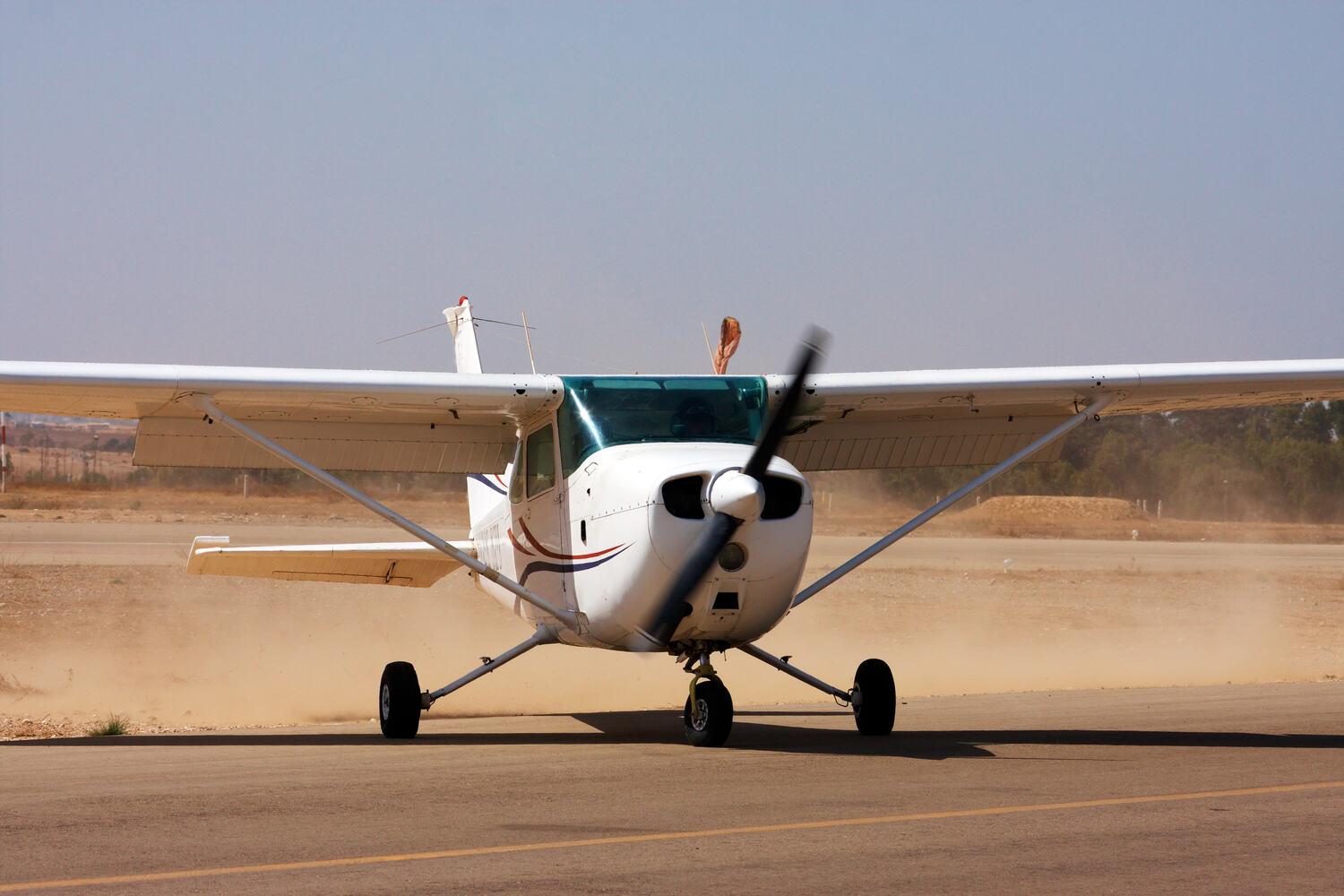
Flight schools quote the regulatory minimum because it is the only number they can quote honestly without knowing you. The national average for a private pilot certificate runs well above it — commonly in the sixty to eighty hour range — and the gap between forty and seventy is where most of the cost lives.
Understanding why that gap exists is the most useful thing a prospective student can know, because it is largely within your control.
What you are paying for
| Item | Typical | Notes |
|---|---|---|
| Aircraft rental, wet | $140 – $230/hr | A two-seat trainer at the low end, a newer four-seat at the high. |
| Instructor time | $55 – $110/hr | Charged for briefing and debriefing as well as flying. |
| Ground school | $0 – $600 | Online courses are cheap and good; in-person costs more. |
| Books, charts, headset | $400 – $1,500 | A decent headset is the one worth spending on. |
| Written test | $175 – $200 | Once, at a testing centre. |
| Practical test (checkride) | $800 – $1,200 | Examiner fee, plus the aircraft for the flight. |
| Medical examination | $120 – $250 | With an aviation medical examiner. |
Put together, most people land somewhere between twelve and twenty-five thousand dollars for a private certificate in 2026, depending on the aircraft, the region and — above all — how consistently they train.
The one variable that dominates everything
Frequency. Not talent, not the aircraft, not the school. Frequency.
Flying is a motor skill, and motor skills decay between sessions. A student flying three times a week spends each lesson building on the last. A student flying every other weekend spends the first third of each lesson recovering what they had a fortnight ago. Over a certificate, that difference is easily twenty hours — five thousand dollars or more — for the same person with the same ability.
Which leads to a piece of advice that sounds like the opposite of thrift: <em>do not start until you can fly at least twice a week, consistently, for several months.</em> Starting when you can only manage twice a month costs more, takes far longer, and is the single most common reason people quit part-way through.
Where you can and cannot save
Worth doing:
- Do the ground study at home and arrive prepared — instructor time spent explaining what you could have read is the most expensive way to learn it
- Pass the written test early, before it becomes a blocker at the end
- Train in a simple two-seat aircraft rather than the nicest one on the line — you are learning to fly, not learning avionics
- Chair-fly the procedures between lessons, which costs nothing and genuinely works
Not worth doing:
- Choosing an instructor on hourly rate — a good one who moves you along faster is cheaper per certificate
- Buying a block of hours from a school whose finances you cannot assess, which occasionally ends badly
- Stretching the training out to spread the cost, which reliably increases the total
- Skimping on the headset, which you will use for decades
And the ratings after
An instrument rating typically adds another eight to fifteen thousand dollars, much of it in simulator time that is considerably cheaper than the aircraft. A tailwheel or high-performance endorsement is usually a handful of hours. A multi-engine rating is short in hours and expensive per hour.