Moving to turbine
A different kind of engine, a different altitude, a different training culture, and an insurance relationship that will shape how you fly for as long as you own it.
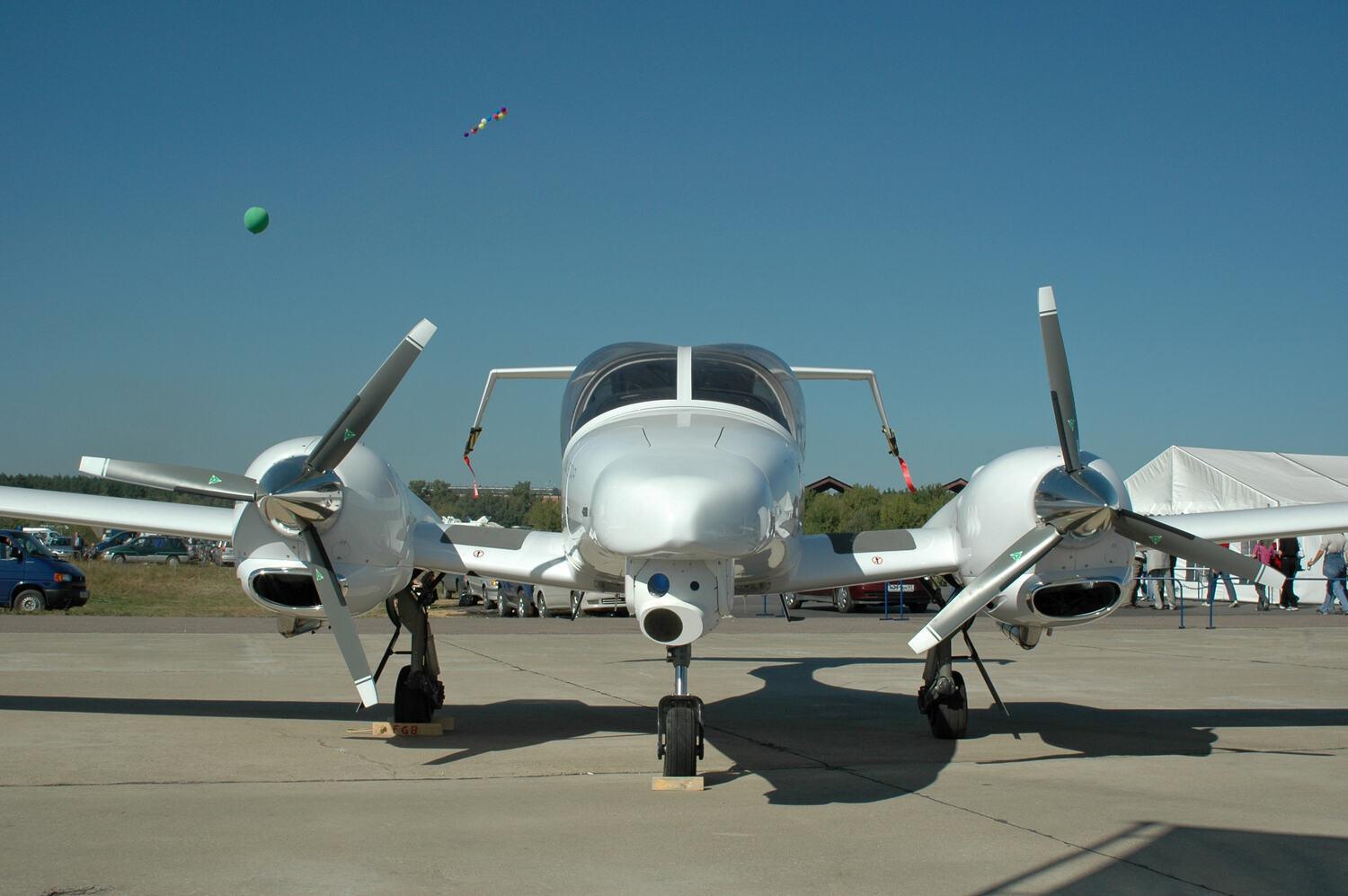
The step from a high-performance piston to a turboprop is the largest in general aviation, and it is not primarily about the engine. The engine is in some ways simpler to operate than a piston. What changes is everything around it: the altitudes, the systems, the speeds, the weather you will now fly in, and the professional standard of training and currency that comes with the territory.
What the engine changes
A turbine is dramatically more reliable than a piston engine and, in normal operation, simpler to manage — no mixture, no mags, far less to get wrong in cruise. In exchange it introduces limits that are unforgiving in a different way: temperature limits during start that can be exceeded in seconds, torque limits, and starting procedures where a mistake is measured in tens of thousands of dollars rather than an embarrassed taxi back.
Fuel burn is high, particularly down low, which is why these aircraft live in the flight levels where the air is thin and the engine is efficient. That alone reshapes how you plan every flight.
Maintenance moves to a different footing too. Hot-section inspections and overhauls are scheduled events with large, predictable numbers attached, and many owners run an hourly engine programme that converts them into a fixed cost per hour. Budgeting for turbine maintenance without such a programme is an exercise in large, lumpy provisions.
What altitude changes
Pressurised flight in the twenties and above brings its own body of knowledge that has nothing to do with the engine: pressurisation systems and what to do when they fail, hypoxia and time of useful consciousness, emergency descent procedures, and oxygen discipline as a routine part of preflight rather than an afterthought.
A high-altitude endorsement is required for pressurised aircraft above a defined ceiling. It is the smallest part of the transition.
The weather changes too. You will be operating in and around convective weather, icing conditions and jet-stream winds that a piston single simply never encountered, and you will be doing it in an aircraft that is genuinely capable of handling them — which is precisely why the judgement has to be better, not worse.
Training, and why it looks different
Turbine transition training is closer to airline training than to a checkout. Expect a formal type-specific course at a recognised training provider, a week or more of ground school on systems, simulator sessions covering abnormal and emergency procedures, and mentor flying in your own aircraft afterwards.
Expect also that your insurer will require recurrent training annually for as long as you own the aircraft. This is not a first-year condition that lapses; it is the standard in this part of the market, and it is one of the reasons the safety record at this level is as good as it is.
What it costs to be here
Acquisition runs from a little under two million for an older single-engine turboprop to well past six for a current-production one, and the operating side scales accordingly: fuel measured in dozens of gallons an hour, an engine programme, annual recurrent training, hangar space for a considerably larger aircraft, and insurance that reflects all of it.
A realistic all-in figure for a single-engine turboprop flown a couple of hundred hours a year lands in the mid six figures annually. This is the point at which ownership stops being a hobby expense and becomes a budget line, and at which many owners bring in a management company to handle scheduling, maintenance oversight and crew.
Whether to do it at all
The honest test is the same one that applies at every step: what limitation is actually binding on your flying? If it is weather and altitude — if you are regularly cancelling because your piston single cannot get above or through what is in the way — a turboprop solves that decisively. If it is range and payload on trips you genuinely make often, likewise.
If the honest answer is that it would be wonderful to own one, that is a legitimate reason to buy an airplane and always has been. It is just worth knowing that is the reason, because the recurring costs are large enough that a purchase made on enthusiasm and sustained on reluctance ends the way those always do.