Trading up: what actually changes
The step from a fixed-gear single to something faster is smaller in the logbook than in the chequebook. Here is what genuinely changes — in training, in insurance, in maintenance, and in what you get out of it.
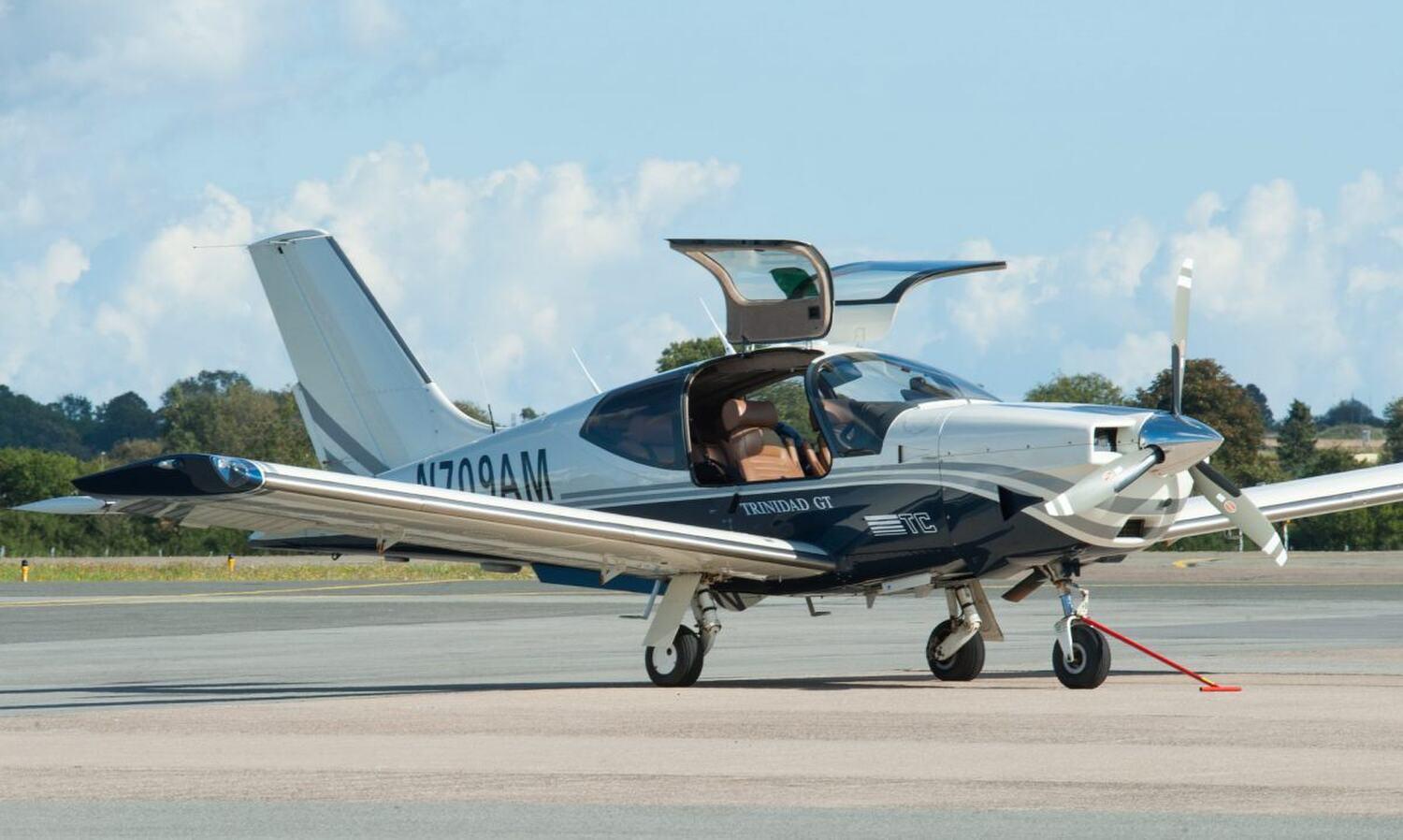
Most owners think about moving up long before they should, and most who do it are glad they waited. The reason is that the honest case for a faster airplane is narrower than it feels, and the costs that come with it are broader.
Start with the thing the brochure sells: speed. Thirty knots sounds transformative. On a three-hundred-mile trip it is about twenty-five minutes. On the trips most owners actually make, moving from 140 knots to 170 changes the day less than the weather does.
That is not an argument against trading up. It is an argument for being clear about which limitation is actually binding on your flying, because the right upgrade is the one that fixes it.
Which limitation is actually stopping you?
| The problem | What fixes it | What does not |
|---|---|---|
| Cannot carry the family and fuel | More useful load — a six-seat cabin or a bigger single | A faster four-seat airplane |
| Trips scrubbed by weather | An instrument rating first, then known-ice capability | More speed |
| Trips take too long | A genuinely faster airframe, 40+ kt up | A 15-knot improvement |
| Cannot get above the weather | Turbocharging and oxygen, or pressurisation | A normally aspirated upgrade |
| Short or rough strips | A different airframe entirely, not a faster one | Anything retractable |
| The airplane is tired | An overhaul and a panel, often far cheaper | A different airplane |
That last row deserves emphasis. A significant share of upgrade urges are really dissatisfaction with an ageing panel or a run-out engine. A modern avionics installation and a fresh engine in an airplane you already know, already insure cheaply and already have maintained is frequently a better outcome than a step up, for a fraction of the cost and none of the training.
What comes with the step
Training, and insurance that requires it. High-performance, complex and turbocharged aircraft each carry their own endorsement or training expectations, and the underwriter will usually be stricter than the regulation. Expect a required number of dual hours in type, often ten to twenty-five, before you fly it alone — and in some types, recurrent training every year for as long as you own it.
Maintenance that is not proportional. Retractable gear adds an inspection regime, and gear problems are expensive. Turbocharging adds heat, and heat is what kills cylinders and exhaust systems. A second engine roughly doubles the powerplant side of every bill. None of these are reasons not to move up; all of them belong in the budget before you do.
Currency you have to actually maintain. A faster, more complex airplane is less forgiving of a pilot who flies thirty hours a year. If moving up means the airplane costs more and you therefore fly it less, you have made yourself less safe and less happy simultaneously. That combination is common enough to be worth naming.
The timing question
If you are going to move up, the two moments that make it cheapest are before a major engine event and before a major avionics investment. Money spent on an airplane you are about to sell rarely returns in full, and a fresh engine improves the sale price by considerably less than it cost.
Which cuts both ways: the airplane you are looking at buying may well have had a fresh engine installed for exactly that reason, by an owner who decided to move up. That is a good thing for you, and it is worth knowing why it happened.