Does a leaseback actually pay?
Put your airplane on a school’s line and the revenue covers the costs, goes the pitch. Sometimes it is true. Here is the arithmetic that decides it, and the wear that does not show up in the monthly statement.
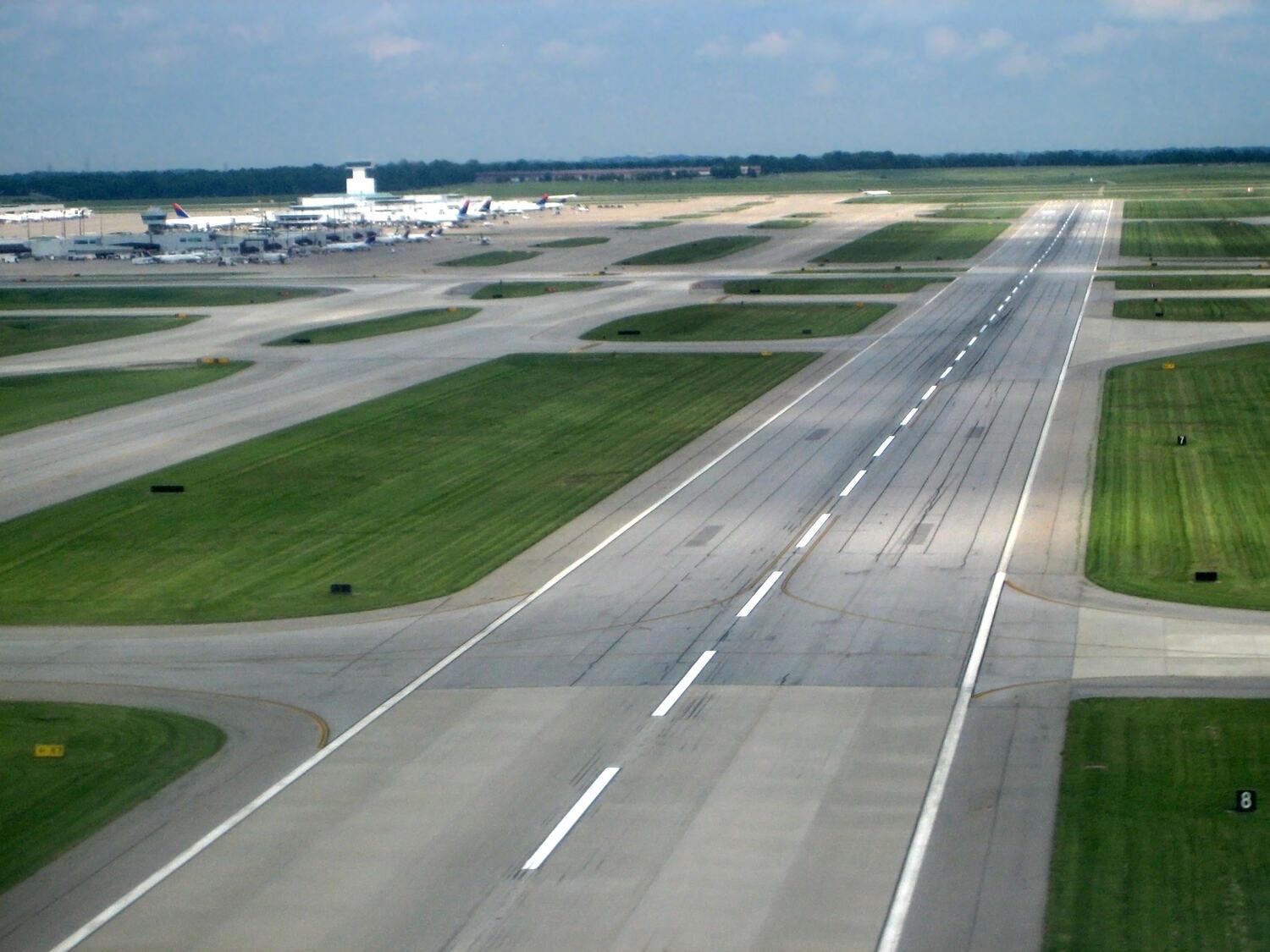
A leaseback is simple in outline. You own the airplane. A flight school or operator puts it on their line, rents it to their students and renters, and pays you an agreed amount per flight hour. In exchange the airplane is used far more than you would use it, and the revenue offsets some or all of what it costs to keep.
It can work. It works most often for the person who understands, going in, that they are entering a small business rather than reducing a hobby expense.
The arithmetic
A leaseback lives or dies on hours flown. Fixed costs are unchanged by the arrangement; revenue is entirely driven by utilisation. So the whole question is whether the school can actually fly the airplane enough.
| 200 hr/yr | 400 hr/yr | 600 hr/yr | |
|---|---|---|---|
| Gross revenue to owner | $16,000 | $32,000 | $48,000 |
| Fuel, oil, direct operating | $10,000 | $20,000 | $30,000 |
| Engine and prop reserve | $5,000 | $10,000 | $15,000 |
| Fixed costs — hangar, insurance, annual | $11,000 | $11,000 | $11,000 |
| Net to owner | –$10,000 | –$9,000 | –$8,000 |
Read that table carefully, because it is the honest version and it is not the version in the sales pitch. At representative rates, leaseback revenue on a trainer frequently does not cover the full cost of ownership including proper reserves. What it does is <em>reduce</em> the cost — and it does so more the more the airplane flies, because the fixed costs get spread.
The numbers improve considerably if the rate per hour is higher, if commercial insurance is not punitive, or if the tax treatment works in your favour. They get worse fast if the airplane sits — a leaseback airplane flying a hundred hours a year is the worst of both worlds, because you carry commercial insurance and accelerated wear for very little revenue.
What the monthly statement does not show
Three costs are real and none of them appear as a line item.
Wear that is not proportional to hours. A training airplane does far more landings per hour than a personal airplane. Landings are what consume tyres, brakes, nose gear, and the airframe generally. Two hundred hours of pattern work is not two hundred hours of cross-country in any way that matters to maintenance.
Availability. Your airplane is on a schedule you do not control. Most agreements give the owner some priority, but a leaseback airplane that you can take for a long weekend whenever you like is not flying enough to pay you anything.
Condition. Aircraft on a training line get handled by people who did not buy them. Interiors wear, the paint takes knocks, and the avionics get used in ways you would not. Some of this is normal, and a good operator manages it well. Some of it is a genuine hit to resale value that never shows up in the revenue column.
When it does work
- The airplane is a type the school genuinely needs and can keep busy — which usually means a common trainer, not your personal cross-country airplane
- The operator is financially sound, has been there a while, and will show you real utilisation figures
- The agreement specifies who pays for what maintenance, in detail, with a dollar threshold above which you are consulted
- You have an accountant who understands the depreciation and tax treatment, because in many leaseback cases that is where the actual benefit sits
- You can absorb a bad year without it hurting, because there will be one
The clearest way to think about a leaseback: it turns your airplane into a small business with thin margins, meaningful risk and real tax complexity. If that is a thing you want to run, it can materially cut the cost of owning. If what you actually wanted was a cheaper airplane, a partnership does that better, with a fraction of the complication and none of the strangers.