Buying an airplane with a partner
The most effective cost reduction in general aviation, and the one most often talked out of. Two owners halve every fixed cost and, structured properly, almost never collide on the schedule. Here is what makes them work and what makes them fail.
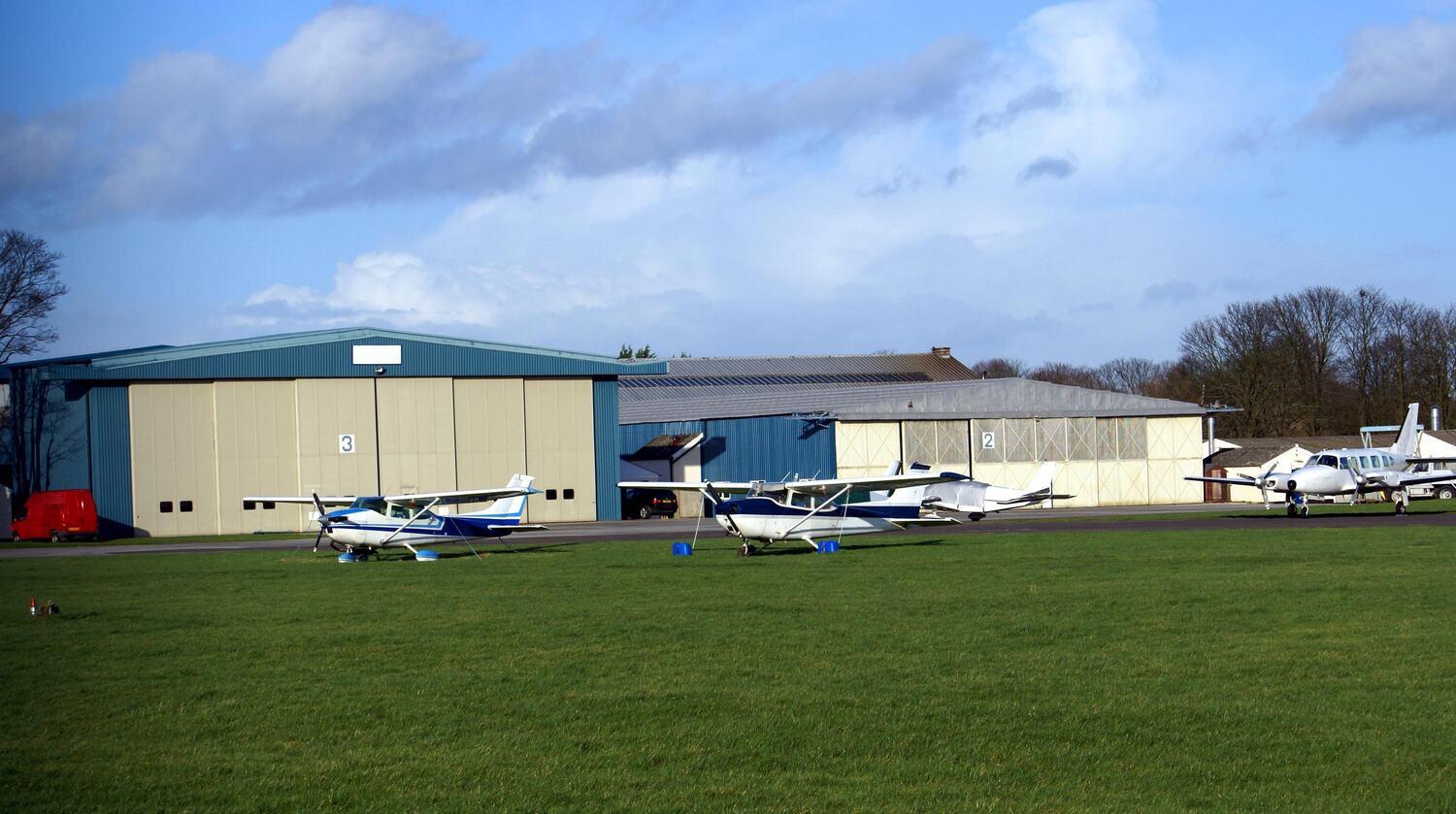
A partnership does not change the airplane. It changes the divisor. Hangar, insurance, the annual and the database subscription are the same numbers whether one person or four is paying them, so every owner you add cuts the fixed side proportionally. Nothing else available to an owner moves the cost that much.
The objection is always availability, and the objection is mostly wrong. The typical owner-pilot flies somewhere between fifty and a hundred hours a year, in daylight, at weekends, in decent weather. Two such pilots want the airplane on perhaps forty days each. The overlap is real but small, and it is a scheduling problem, not a structural one.
What actually breaks partnerships is never the calendar. It is money and expectations, both of which are fixable in advance and neither of which fixes itself later.
What a partnership is worth, in numbers
| Sole owner | Two owners | Four owners | |
|---|---|---|---|
| Capital in | $185,000 | $92,500 | $46,250 |
| Fixed costs a year | $9,700 | $4,850 | $2,425 |
| Fixed cost per hour | $129 | $65 | $32 |
| Variable per hour | $105 | $105 | $105 |
| All-in per hour | $234 | $170 | $137 |
Those variable costs do not move — fuel and reserves are yours whoever else is on the registration. But the all-in hourly cost falls by a quarter with one partner, and by more than forty per cent with three. That is the difference between an airplane that feels expensive every time you fly it and one that does not.
Four columns showing all-in cost per hour for one, two, three and four owners on the same airplane, with the fixed and variable portions stacked in different tones so the reader sees exactly which part shrinks.
How to structure it
Most successful small partnerships hold the aircraft in a limited liability company, with each partner owning a share of the company rather than an undivided interest in the airplane. It keeps the registration clean, it makes transferring a share straightforward, and it gives you an obvious place to hold the operating account. Get this drafted by an aviation attorney; it is a few hundred dollars against a six-figure asset.
The operating agreement is the part that matters. It should answer, in writing, before anyone writes a cheque:
- What each partner pays monthly, and what each pays per hour — the monthly covers fixed costs, the hourly covers fuel and reserves
- Where the reserve money lives, who can spend it, and what it may be spent on
- Who the mechanic is, and who is authorised to approve work up to what dollar amount without asking anyone
- How the airplane is booked, and what happens to a booking nobody uses
- What happens when someone wants out — the valuation method, the right of first refusal for the other partners, and the timeline
- What happens if someone stops paying, which is the ugly one nobody wants to write down
- Who is insured to fly it, and what minimum currency each partner keeps
What makes a good partner
Not similar flying. <em>Similar standards.</em> Two pilots who fly very different missions can share an airplane happily. Two pilots with different attitudes to maintenance cannot.
The question to ask a prospective partner is not how often they fly. It is what they would do about a cylinder that is borderline at the annual. If one of you wants it replaced and the other wants to run it another hundred hours and look again, you have found your incompatibility before it costs you anything.
- Do they treat the reserve as real money that is already spent, or as savings?
- Do they book the airplane and then not use it?
- Do they put it away clean, fuelled and plugged in?
- Do they tell you about the small thing they noticed, or hope it was nothing?
- Would they be comfortable telling you that you had done something wrong?
Where partnerships genuinely do not work
They are a poor fit if your flying is unpredictable and time-critical — if you need the airplane at short notice for business and cannot accept that it is occasionally three states away. They are a poor fit if you want to modify the airplane continuously, because every change now needs a conversation. And they are a poor fit with more than about four owners in a simple structure; past that you want a flying club, with its committee, its bylaws and its proper accounting.
But for the great majority of owner-pilots flying for pleasure, a well-drafted two or three-way partnership is the single change that makes an airplane affordable — and, not incidentally, keeps the airplane flying, which is the thing airframes and engines most want.