The annual inspection, and why the number varies so much
Two owners of the same model at the same field can pay $1,900 and $11,000 in the same year, and both are telling the truth. The difference is almost never the inspection.
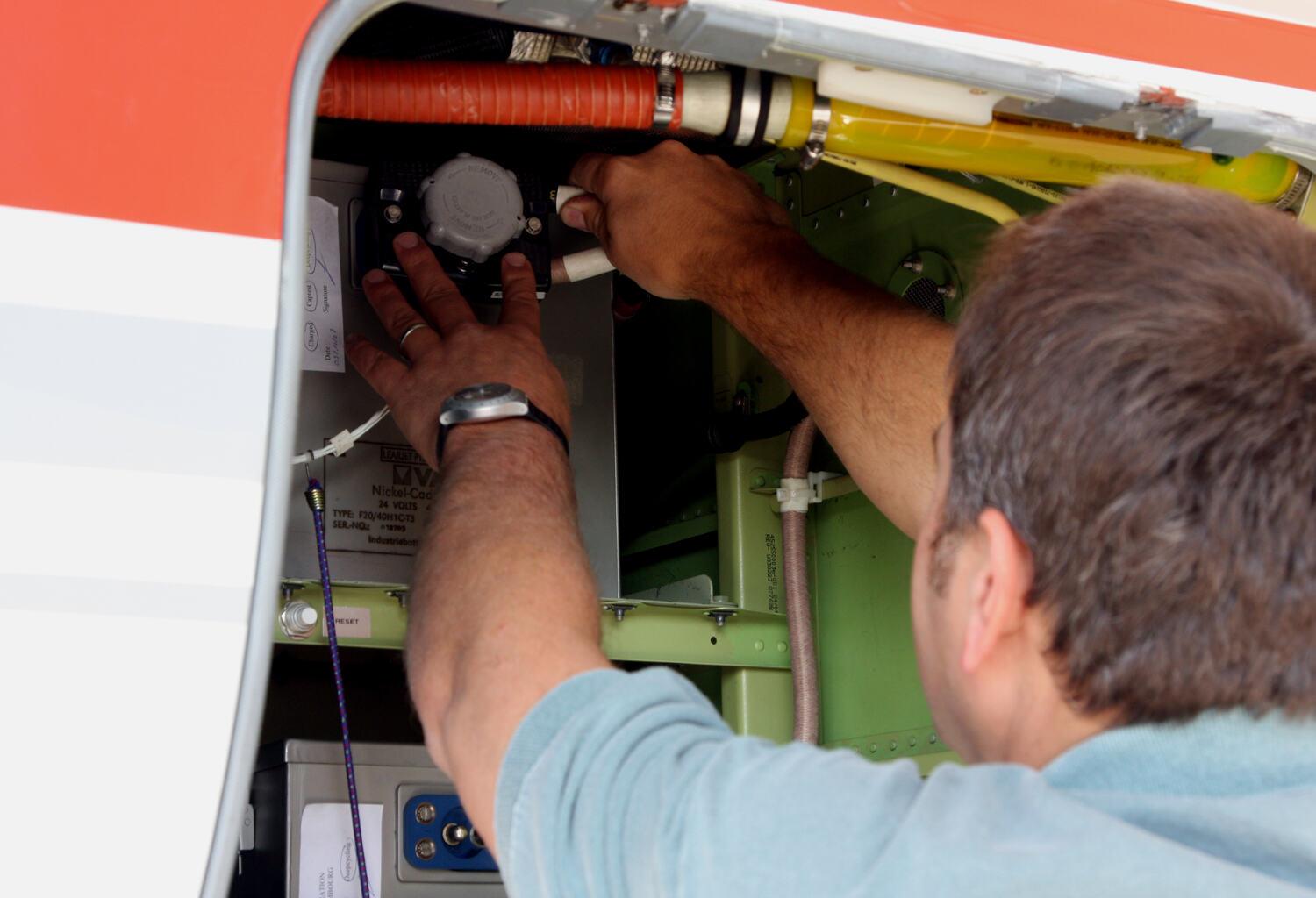
Every aircraft operated under standard airworthiness needs an annual inspection, and the quoted price is for the inspection — opening the airplane up, going through the checklist, and closing it back up. What varies by a factor of five is not that. It is what gets found.
This distinction matters more than almost anything else in an owner’s budget, because it explains why the annual is the cost owners most consistently underestimate.
What you are actually paying for
| Component | Typical | Notes |
|---|---|---|
| Inspection labour | $1,200 – $3,000 | Opening, inspecting, closing. Retractables and twins cost more. |
| Routine consumables | $200 – $600 | Oil, filters, gaskets, hardware. |
| Airworthiness items found | $0 – $8,000+ | Must be fixed for the airplane to be signed off. |
| Discretionary items found | $0 – whatever you choose | Worth doing, not required now. |
The first two lines are predictable. The third is not, and it is the reason experienced owners budget an annual at roughly double the inspection quote and are pleased when it comes in under.
What makes an annual expensive
- Deferred maintenance — items noted last year and not fixed have a way of becoming airworthiness items this year
- An airplane that sat — corrosion, dried seals, flat-spotted tyres and a battery that will not hold, all of which come from not flying
- Age of the systems, not the airframe — hoses, vacuum pumps, magnetos and alternators are on their own clocks
- Airworthiness directives that have come due
- A new mechanic who is looking at the airplane properly for the first time in years
How to make it cheaper, legitimately
Not by shopping on price. A cheap annual that misses things is the most expensive kind. The real levers are these:
Fly the airplane. Regular use is the single best thing for an airframe and engine. Airplanes that fly a hundred hours a year cost less per year to maintain than airplanes that fly twenty, not just less per hour.
Fix things when they are small. The item your mechanic mentions in passing in March is cheaper than the same item as an airworthiness finding in November.
Use one mechanic consistently. A shop that knows your airplane inspects it faster and worries less, because they know what they signed off last year.
Do the owner-permitted work you are competent to do. The regulations allow an owner-pilot to perform a defined list of preventive maintenance tasks on an aircraft they own and operate — things like oil changes, changing tyres, replacing certain bulbs and servicing landing gear. The list is specific, it has conditions, and the work has to be logged properly.
And the largest lever of all: be present. Owners who show up during the annual, ask what is being found and why, and learn their airplane get better outcomes than owners who drop the keys and collect an invoice. It is also how you stop being the person who has no idea what that noise is.