The tailwheel endorsement
A few hours of training, a logbook signature, and access to a class of airplanes that go places nothing else will — plus the best stick-and-rudder work most pilots ever do.
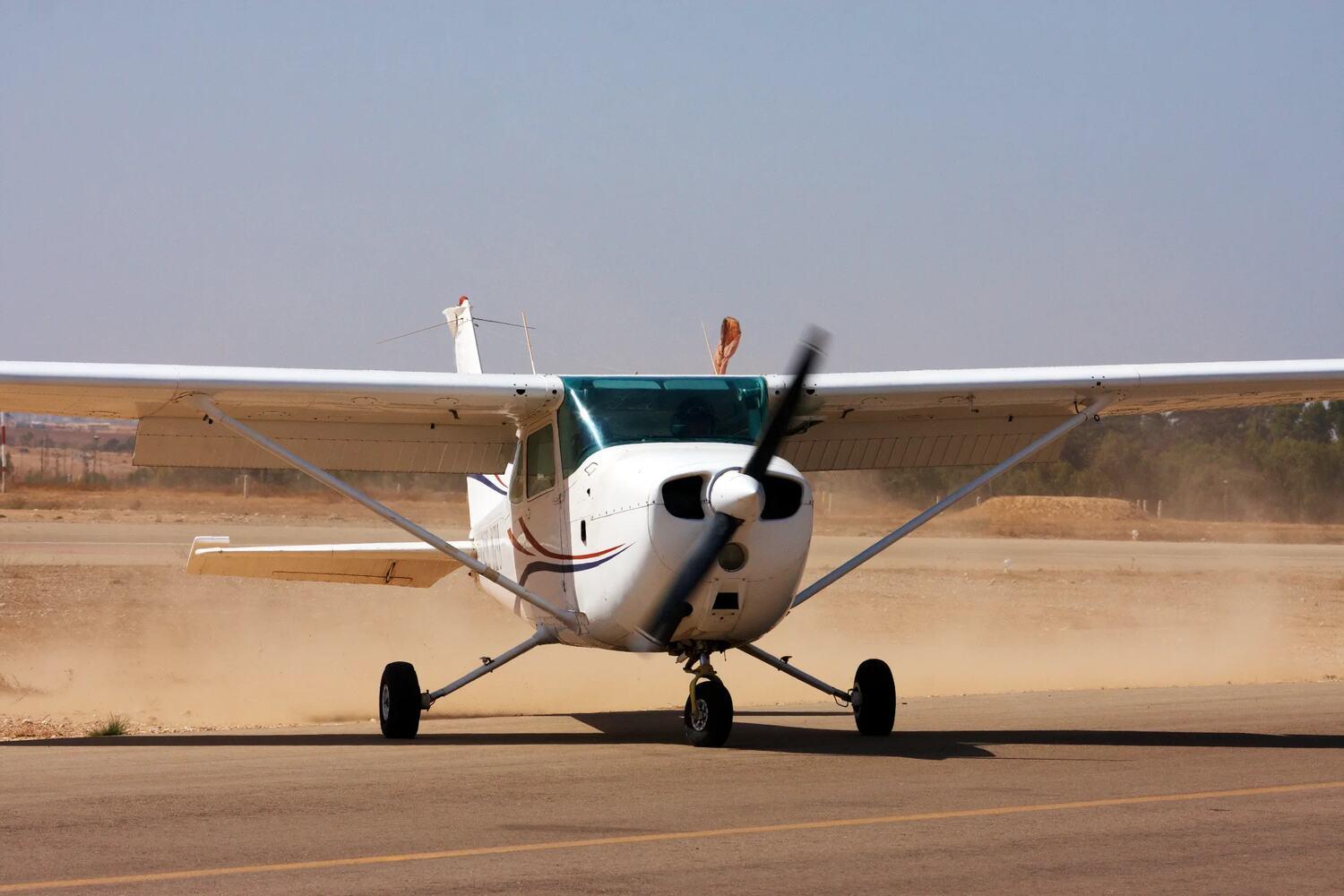
A conventional-gear aeroplane — a taildragger — puts the main wheels ahead of the centre of gravity rather than behind it. That single geometric fact is why they behave differently on the ground, why the endorsement exists, and why pilots who get it tend to become evangelists about it.
The regulation requires ground and flight training and a logbook endorsement to act as pilot in command of one, covering normal and crosswind takeoffs and landings, wheel landings where appropriate to the type, and go-around procedures.
Why the ground handling is different
With the centre of gravity behind the main wheels, any swing that develops tends to increase rather than damp out. A nosewheel airplane that starts to drift straightens itself; a taildragger that starts to swing wants to keep swinging, and the ground loop is what happens when it wins.
The practical consequence is that the landing is not over when the wheels touch. In a taildragger the landing continues until the airplane is stopped, and the feet stay busy the whole way. Pilots coming from nosewheel airplanes almost universally describe this as the adjustment — not the flying, the not-relaxing.
Visibility over the nose on the ground is also poor in most types, which is why you will learn to taxi in gentle S-turns to see what is ahead.
What it takes
No minimum hours in the regulation. In practice five to fifteen hours for a reasonably current pilot, and a lot of landings — most of the training is in the circuit, doing the same thing repeatedly until the feet work without being asked.
You will learn both three-point landings, touching down on all three wheels together at minimum speed, and wheel landings, touching down on the mains first at higher speed with the tail still flying, which are better in gusty conditions. Different types favour different techniques and some strongly prefer one.
Budget one to three thousand dollars, and find an instructor who teaches tailwheel regularly. This is one of the areas where a specialist matters — the corrections are small, fast and about timing, and an instructor who does it every week teaches it better than one who does it occasionally.
For an owner
The airplanes on the other side of this endorsement are a genuinely different set: Cubs and their descendants, backcountry types, many classic aircraft, most floatplanes, and a good share of aerobatic aircraft. Some of them go places no nosewheel airplane will, and several of them hold value remarkably well.
- Insurance for a low-tailwheel-time pilot in a valuable taildragger is a real conversation — get quoted first
- Expect a required number of dual hours in type, often more than the endorsement itself took
- Currency matters more than in a nosewheel airplane; the skill decays and the consequences are on the ground
- Crosswind limits in practice are yours, not the airplane’s, and they move with recency
- Insurers often price tailwheel time specifically, so hours accumulated are worth money later