Selling your airplane
The two things that most reliably increase what you get are unglamorous, and the two that most reliably reduce it are things sellers do to themselves.
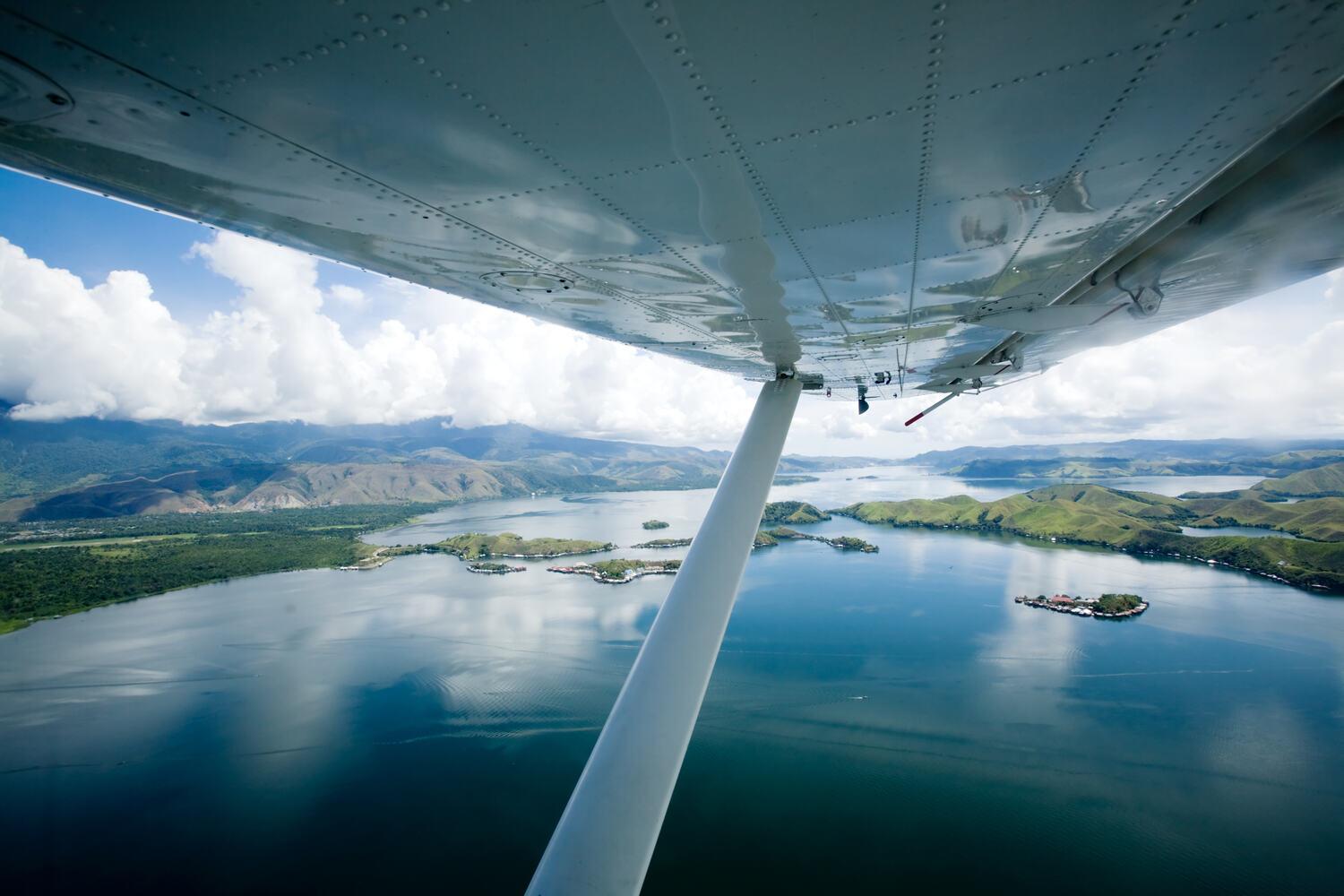
Selling an aircraft is a slower, more document-heavy transaction than most people expect, and the sellers who do well are the ones who did the preparation before listing rather than during.
Before you list
Get the logbooks in order. This is the highest-return work available to you. Scan everything — airframe, engine, propeller, every 337, the weight and balance, the equipment list, the AD compliance record. Put it in a single organised folder you can send a serious enquirer within minutes. Buyer uncertainty is always priced in, and complete records remove more of it than anything else you can do.
Fix the small squawks. Not the big ones — a buyer is getting a pre-buy anyway and will discount a known item at roughly its repair cost. But the landing light that does not work, the door seal, the loose trim, the stained headliner: these are cheap, and they are what a buyer walks around noticing. An airplane that presents as cared-for negotiates better than one that presents as tired, even when the logbooks say the same thing.
Decide your number and your floor before you talk to anyone. Work out what the airplane is genuinely worth, then decide the lowest number you will accept. Doing this under pressure, on the phone, after a buyer has found three things at the pre-buy, is how sellers end up unhappy.
Photographs, which matter more than sellers think
Serious buyers assume the worst about anything not pictured, and they are usually right. Photograph everything, in daylight, with the airplane clean and outside.
- Three-quarter exterior views from both sides, plus straight-on nose and tail
- The panel, square on, with the master on so the displays are lit
- Every seat and the whole interior, including the floor and the headliner
- The engine with the cowling off
- The baggage compartment, empty
- Any damage, wear or blemish — photograph it yourself rather than letting a buyer find it
- A photograph of the logbooks stacked, which tells a buyer they exist
That last instruction is counter-intuitive and it is right. Disclosing a blemish in your own photographs costs you a little on price and buys you an enormous amount of credibility, which is worth more across the whole negotiation.
Writing the advert
Lead with the facts a buyer filters on: year, model, total time, engine time and what kind of overhaul, propeller time, avionics, damage history, and where it is based. Then the honest description. Then the price.
Avoid the vocabulary everyone uses and nobody believes — "always hangared" when it has not been, "no damage history" when there is a 337, "fresh annual" when it is eleven months old. Aviation is small and these things surface, usually at the pre-buy, usually after the buyer has spent money getting there. A deal that collapses at that point rarely un-collapses.
Handling the transaction
Expect enquiries that go nowhere, and expect the serious ones to look different — they ask about the logbooks, the engine and the damage history rather than about paint.
- Send the logbook scans early to anyone who asks seriously; it filters hard and saves everyone time
- Agree in writing who pays for the pre-buy and who pays to put the airplane back together if the deal falls through
- Use escrow. It protects you as much as the buyer, and it handles the FAA filing
- Expect to renegotiate on the pre-buy findings, and decide in advance which items you will fix, which you will discount, and which you will not move on
- Keep flying it and keep it insured until the money has actually cleared
And one piece of arithmetic worth running before you hold out for a better number. Every month the airplane sits unsold costs you hangar, insurance and the accruing annual — commonly eight hundred to fifteen hundred dollars. Three months of waiting for another five thousand dollars can easily be a net loss, and that is before counting the engine sitting idle, which is its own slow cost.