Hangar or tie-down: what the difference actually costs
The largest and most variable line in your fixed costs, and the one decision that quietly determines how much of your airplane’s value survives the next ten years.
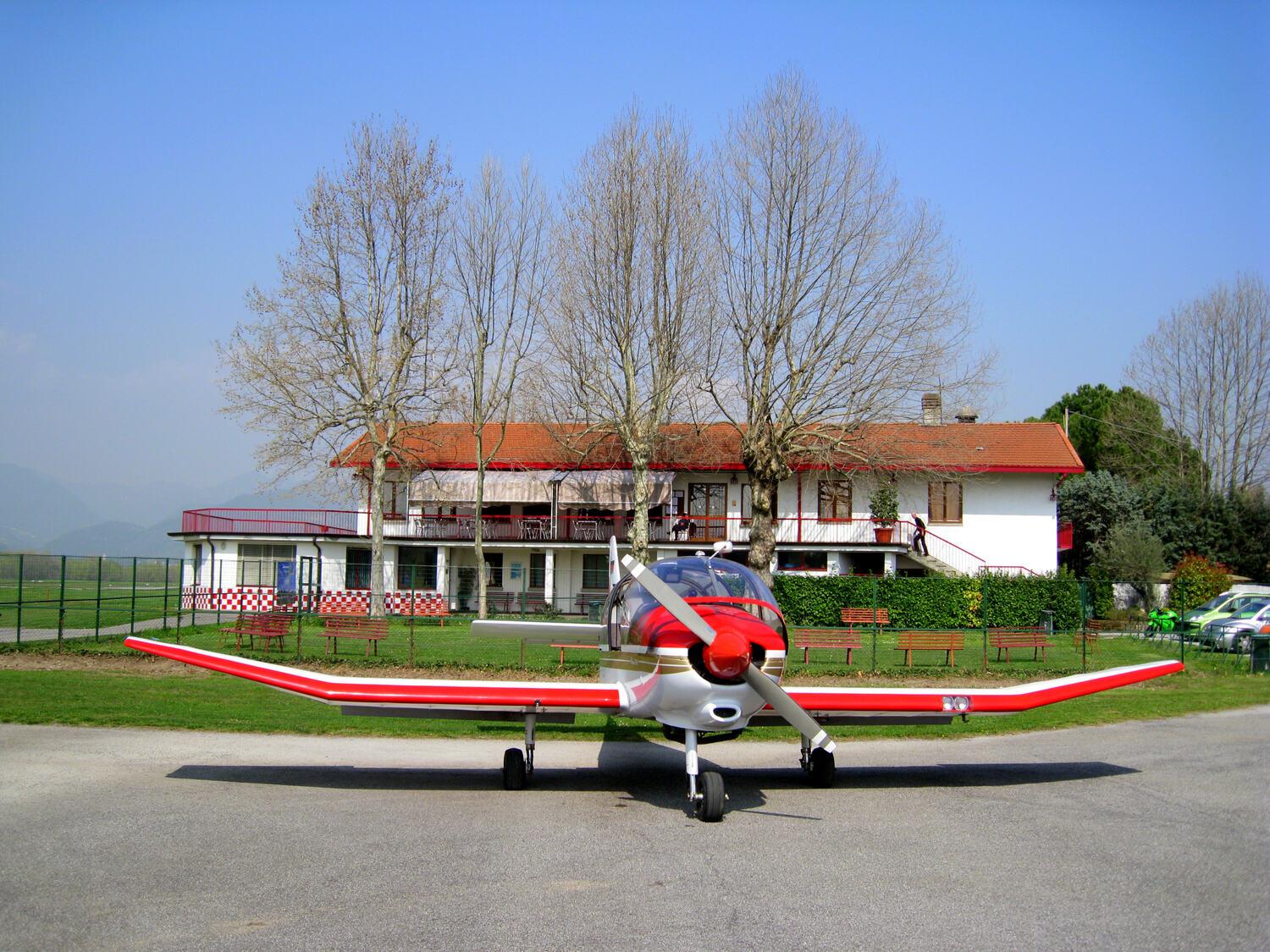
Hangar rent varies more than anything else in aircraft ownership. The same single-engine airplane might cost a hundred dollars a month in a rural T-hangar in the Midwest and eight hundred or more at a congested field near a major city. Nothing else in the budget moves by a factor of eight depending on where you live.
Which makes the hangar question worth real thought rather than the shrug it usually gets — and worth asking <em>before</em> you buy, because at many fields the waiting list is measured in years.
The options, cheapest first
| Typical monthly | What you get | |
|---|---|---|
| Tie-down, uncovered | $40 – $150 | A patch of ramp and three anchor points. |
| Shade or port | $90 – $250 | A roof, no walls. Sun and most precipitation handled. |
| T-hangar, unheated | $150 – $600 | Enclosed, shared building, one door. |
| Box or corporate hangar | $400 – $1,500+ | Space to work, often shared with other aircraft. |
| Heated hangar | $300 – $1,200 | Matters in cold climates more than owners expect. |
What outside actually does to an airplane
This is the part that does not appear on an invoice, and it is the real argument.
Ultraviolet light destroys paint, plastics and interiors. Cracked window trim, brittle glareshields, faded and chalking paint — these are sun damage, and they are expensive to reverse. A repaint on a single runs well into five figures.
Water and temperature cycling drive corrosion. Moisture gets into places that do not drain, freezes, and works at the structure. Corrosion is the finding that most reliably kills an airplane’s value, because unlike a tired engine it cannot simply be replaced.
Wind and weather events. Hail can total an aluminium airplane in ten minutes. A thunderstorm gust front can flip a tied-down light aircraft that was properly secured. Insurance covers a lot of this, but a claim raises your premium and an airplane in a shop for three months is an airplane you are not flying.
Wildlife. Birds nest in cowlings and tail cones. Mice get into insulation and wiring and chew things that are genuinely dangerous. This is not a rare curiosity; it is routine, and it is one of the reasons a pre-buy on an outside airplane looks in places it otherwise would not.
When a tie-down is the right answer
It genuinely is, sometimes. In a dry, mild climate with no hail season, on an airplane that is already cosmetically tired, with a good cover and a fitted set of plugs and pitot covers, an outside airplane that flies weekly does fine. Flying regularly matters more than most owners realise — an airplane that moves gets aired out, gets looked at, and gets its problems found early.
A tie-down is also the right answer when the alternative is not buying. Waiting three years for a hangar while your money sits idle is not obviously better than flying for three years and moving inside when the list comes good.
- Get on the hangar waiting list the day you decide to buy — it costs little and the clock starts
- If you are outside, spend money on a proper fitted cover, control locks, plugs and covers
- Check on the airplane between flights in bad weather rather than after it
- Ask your insurer what they charge for each — some price the difference explicitly
- Look at fields fifteen minutes further out; the hangar list is often dramatically shorter and the rent lower