Fuel, oil and the reserves nobody funds
Fuel is the cost everyone quotes and rarely the biggest. The reserves are the cost nobody quotes and the reason airplanes get sold.
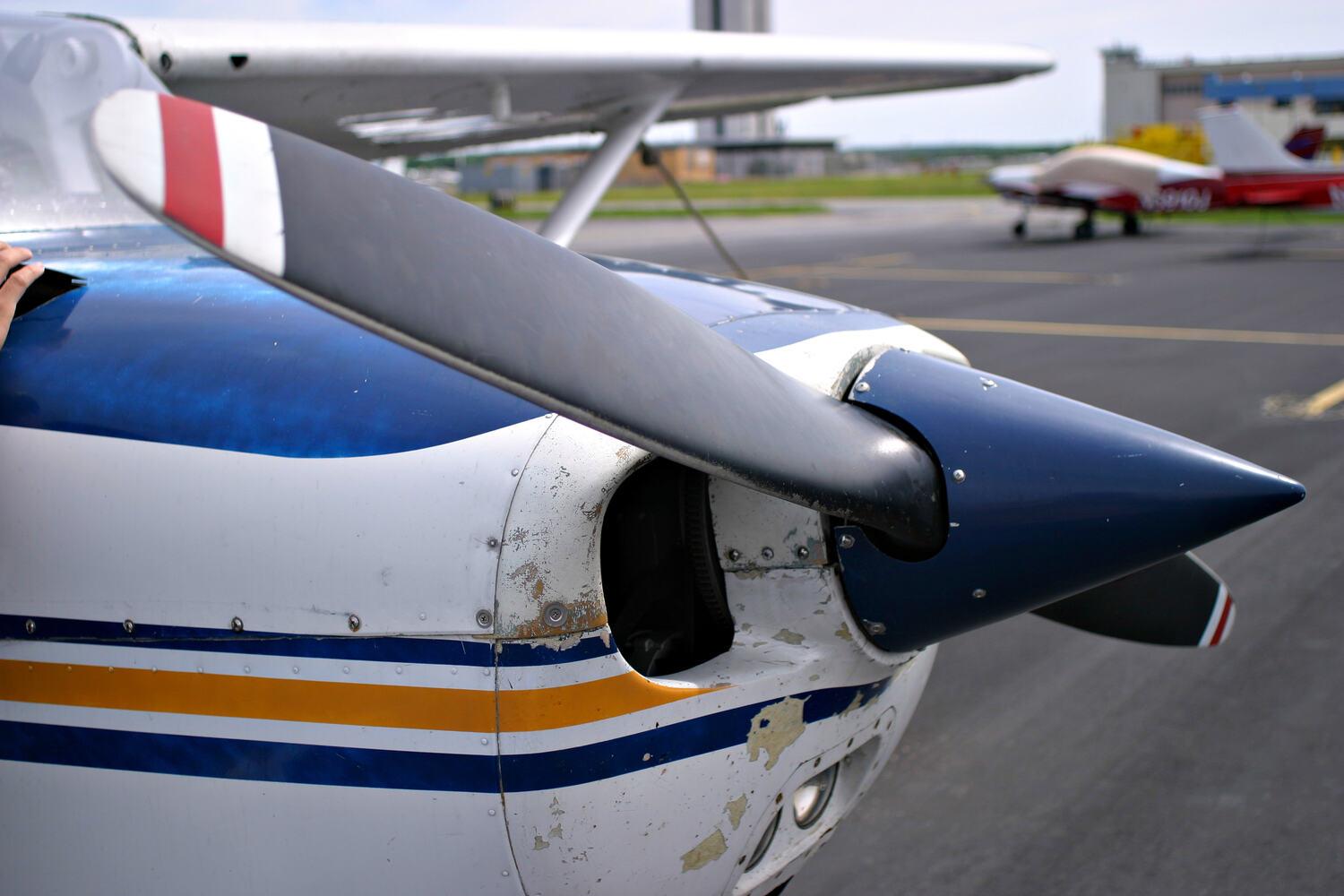
Ask an owner what their airplane costs per hour and you will usually get a fuel number. It is the visible cost, it arrives on a credit card statement, and it feels like the cost of flying. It is typically less than half of what an hour actually costs.
The hourly costs, honestly
| Item | Typical | Notes |
|---|---|---|
| Fuel | $50 – $110 | 8–18 gph at prevailing 100LL prices. |
| Oil and filters | $4 – $9 | Small, but it adds up across a year. |
| Engine reserve | $20 – $30 | Toward overhaul. The one people skip. |
| Propeller reserve | $3 – $6 | Overhaul on a calendar as well as hours. |
| Accessory reserve | $5 – $12 | Magnetos, vacuum pump, alternator, starter, hoses. |
| Unscheduled maintenance | $15 – $35 | Nothing breaks on schedule; something always breaks. |
Add those and a typical single costs roughly a hundred to two hundred dollars an hour in variable costs alone, before a single fixed cost is counted. An owner budgeting only fuel is understating their hourly cost by a factor of two.
The engine reserve, which is the whole argument
A piston overhaul commonly runs thirty to sixty thousand dollars depending on the engine, and the manufacturer’s recommended interval is typically around two thousand hours. Divide the cost by the interval and you get the number you should be putting aside every hour you fly — twenty to thirty dollars for most singles.
The distinction that matters: this is not saving, it is accruing. The money is already spent; you are simply choosing whether to notice. An owner who flies a thousand hours without funding a reserve has not saved twenty-five thousand dollars. They have accumulated a twenty-five-thousand-dollar liability that will present itself at a time of the engine’s choosing.
Put it in a separate account. Move it monthly or after each flight. Do not touch it for anything else. Owners who do this describe an overhaul as a scheduled event; owners who do not describe it as the reason they sold.
The accessories that fail on their own schedule
These are the ones that surprise new owners, because they are not part of the engine and not part of the annual, and each one is a four-figure event.
- Magnetos — inspection intervals and overhauls that arrive independently of the engine
- Vacuum pump, on aircraft that still have one — fails without warning and is on many owners’ replace-on-schedule list
- Alternator and starter — wear items with real replacement costs
- Engine-compartment hoses — rubber ages on a calendar whether the airplane flies or not
- Battery — every three to five years, reliably
- Tyres and brakes — driven by landings rather than hours, which is why training aircraft eat them
- Propeller — overhaul intervals in both hours and calendar years
Budget five to twelve dollars an hour across all of it. That number feels invented until the year you replace a magneto, an alternator and all the hoses, and it turns out to have been about right.
Where you can genuinely save on fuel
Fuel is the one variable cost with real levers, and they are not exotic.
Fly at a lower power setting. The difference between 75% and 65% power is often ten knots and two gallons an hour. On a three-hour leg that is twenty minutes longer and six gallons cheaper, and the engine runs cooler. Most owners find the trade worth it more often than they expect.
Lean properly. Leaning technique is the single largest fuel variable within a pilot’s control, and it interacts with engine longevity as well as cost. It is worth an hour with an instructor who understands your specific engine and instrumentation, rather than following hangar advice that may have come from a different engine entirely.
Buy fuel where it is cheap. Prices vary by more than two dollars a gallon between fields within an hour of each other. Planning a fuel stop at a cheaper field on a long leg routinely saves more than the stop costs, and self-serve is almost always cheaper than full-service.