Flying clubs: the middle ground most people skip
Lower hourly rates than renting, none of the capital of owning, and the part nobody mentions — a building full of people who already know what you are about to learn the hard way.
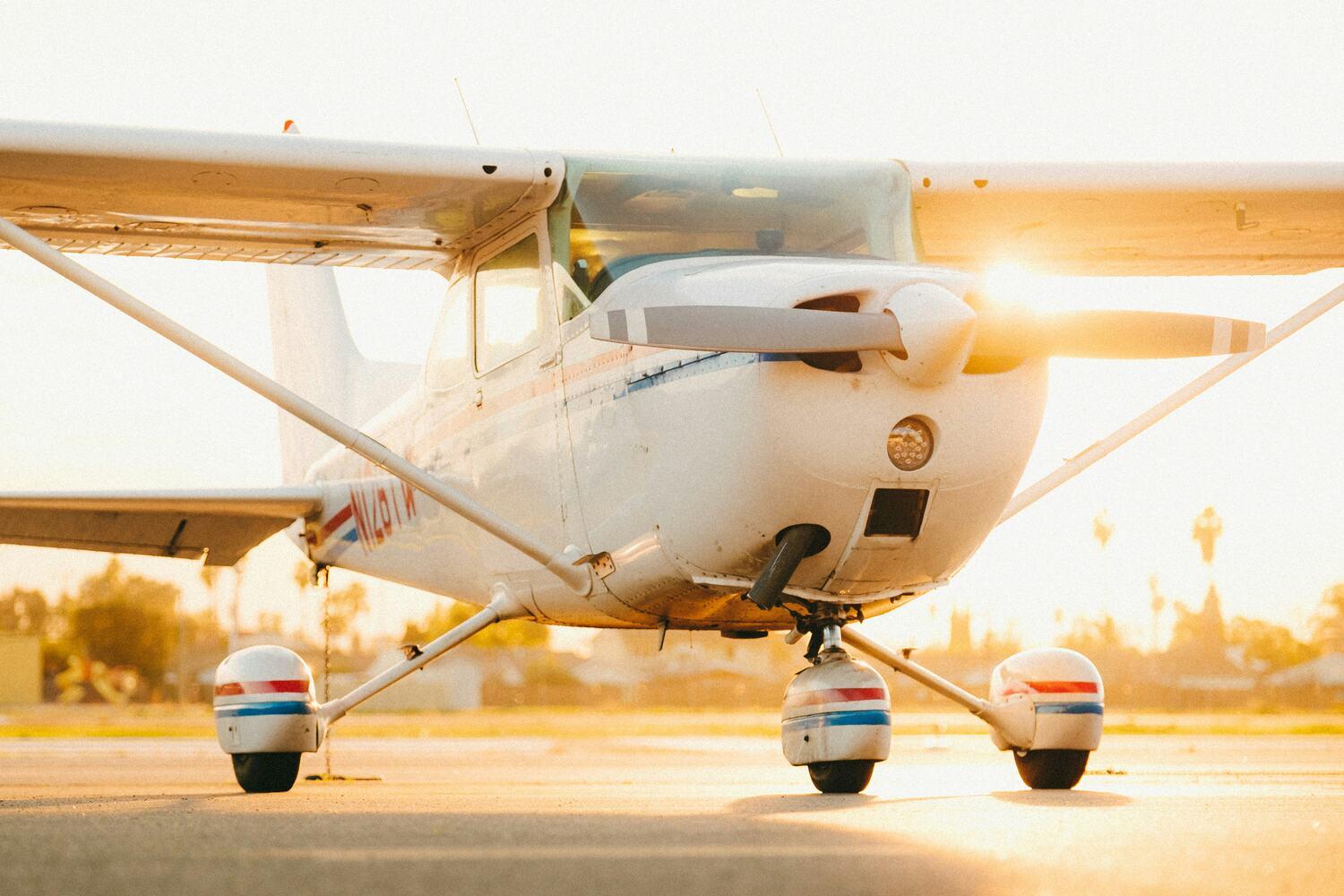
Between renting from a flight school and owning outright sits an option most prospective buyers never seriously price: the flying club. Members typically pay a one-off joining amount or share purchase, a monthly subscription, and an hourly rate that is materially below the local rental rate because the club is not trying to make a profit on you.
For a pilot flying somewhere between forty and a hundred hours a year, a club is very often the cheapest way to fly — cheaper than renting, and cheaper than owning once the reserves are funded honestly.
The arithmetic
| Rent | Club | Partnership | Own | |
|---|---|---|---|---|
| Capital in | $0 | $500 – $5,000 | $60k – $150k | $120k – $300k |
| Monthly | $0 | $75 – $150 | Half the fixed costs | All the fixed costs |
| Hourly, wet | $195 – $260 | $130 – $190 | ~$105 variable | ~$105 variable |
| Availability | Poorest | Good | Very good | Best |
| Choice of airplane | Whatever is free | Several types | The one you bought | The one you bought |
The line worth staring at is capital. A club typically asks for hundreds or a few thousand dollars; ownership asks for six figures. For a pilot who is not yet certain how much they will fly — which is most pilots in their first three years — that difference is not just financial, it is a way of finding out the answer before committing to it.
What a good club looks like
- A sensible member-to-aircraft ratio — ask what it is, and ask how hard it is to get a weekend
- Published accounts, a real maintenance reserve, and no recent history of surprise assessments
- More than one aircraft, so a maintenance event does not ground the whole club
- A clear scheduling system with rules about long trips and no-shows
- Members who have been there years rather than months
Ask directly about assessments. A club that has had to levy an unexpected charge on members to cover an engine is not necessarily badly run — engines fail — but how they handled it tells you whether the reserve was real and whether the committee communicates.
The part that does not show up in the numbers
Clubs come with people, and this turns out to be most of the value.
A new owner working alone makes every mistake personally: overpaying for a pre-buy, using the wrong shop, missing an AD, buying the airplane that was never going to do their mission. A club member has thirty people who have already made those mistakes and will happily tell you about them over coffee. Several of them have owned the type you are considering. One of them knows which local mechanic to use and which to avoid, which is information you cannot buy.
Clubs are also where partnerships form. If you eventually want to own, the person you will co-own with is far more likely to be someone you have flown alongside for two years than someone who answers an advert. That alone makes a club worth joining for a while even if you are certain you will end up owning.
For everyone else — and particularly for the pilot who is not yet sure whether ownership is right — a club is the cheapest way to find out, with the smallest amount of money at risk and the largest amount of help available.