Choosing a flight school, and the questions that reveal one
The cheapest hourly rate is rarely the cheapest certificate. Six questions that tell you more about a school than any tour will.
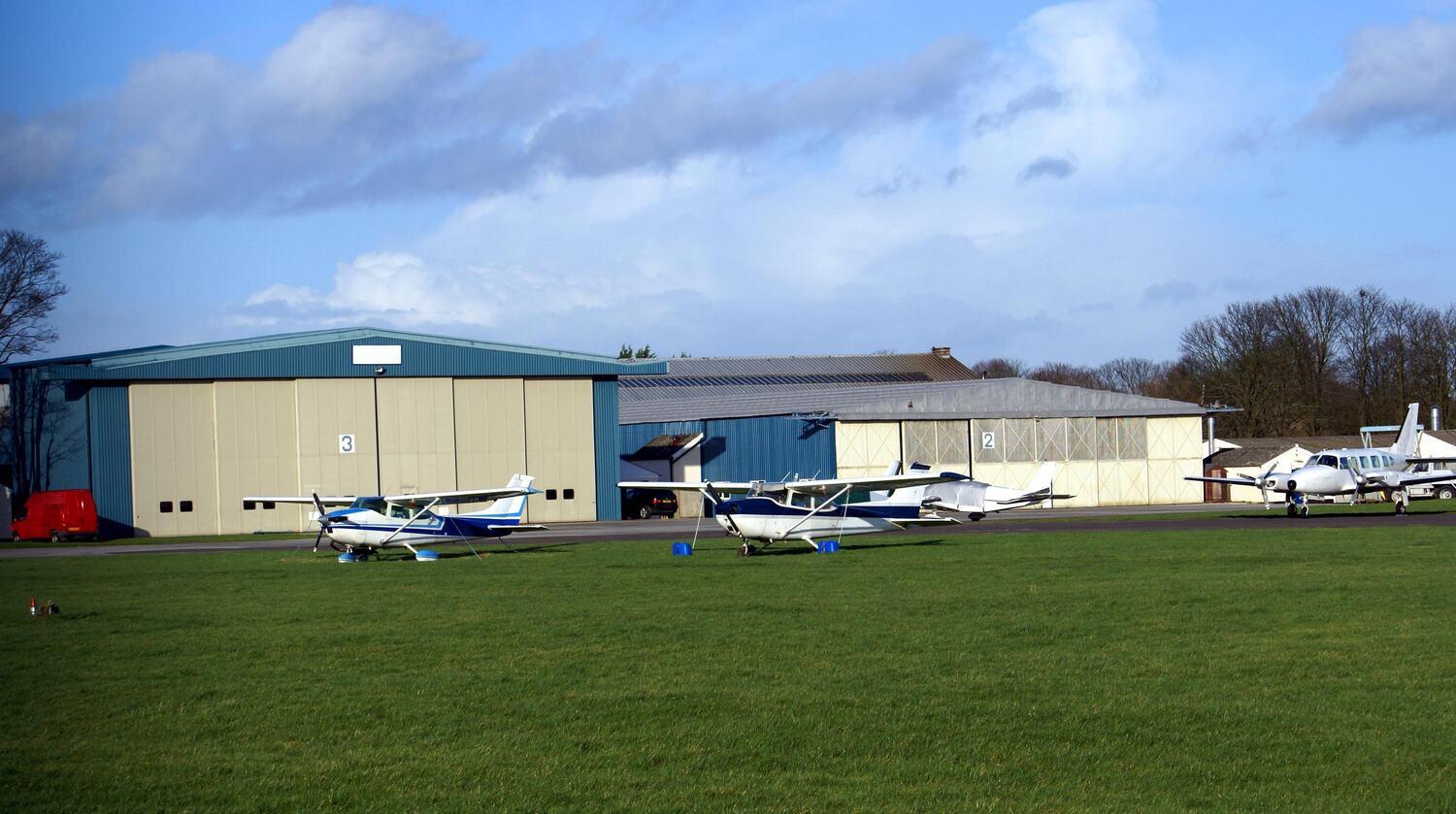
Flight schools broadly divide into two kinds. Part 141 schools operate an FAA-approved syllabus with defined stage checks and, in some cases, reduced hour minimums — structured, audited, often attached to a career track. Part 61 schools and independent instructors work to the regulation directly, with more flexibility in how and when you train.
Neither is better. A structured school suits someone training full-time toward a career; a flexible one often suits an adult fitting lessons around work. What matters far more than which category a school falls into is the six things below.
The questions
How many aircraft do you have, and what is their dispatch rate? A school with one trainer has no answer when it goes unserviceable, and it will go unserviceable. Ask how often lessons are cancelled for maintenance. A school that cannot tell you is a school that is not tracking it.
Will I have one instructor, and how long have they been here? Instructor turnover is the industry’s defining feature — many are building hours toward an airline job and will leave mid-way through your training. That is not a scandal, it is the system. But a school where every instructor has been there three months is a school where you will change instructors twice, and every change costs hours.
How far ahead do I book, and how many slots can I have a week? This is the frequency question, and frequency is what determines your total cost. A school that can only offer you one slot a week is quoting you a far more expensive certificate than the hourly rate suggests.
What does the rate include? Wet or dry — that is, with fuel or without. Is instructor briefing time billed? Is there a monthly club fee, an insurance surcharge, a fuel adjustment? Get the all-in hourly number, not the headline one.
What happens to my money if the school closes? Ask it plainly, particularly if they want a large prepayment. Block-hour discounts are common and usually fine, but a school in difficulty takes student deposits with it, and students have very little standing when that happens. Prepay in amounts you can afford to lose, or not at all.
Can I talk to two current students? Not a testimonial on the website. Two people, mid-training, this month. A confident school will introduce you in the lobby.
What to notice without asking
- Are the aircraft clean inside? An interior nobody cares about usually sits under a maintenance culture nobody cares about either
- Are the logbooks and squawk sheets visible and used, or is there a culture of "it’s always done that"
- Does the front desk know where every aircraft is right now
- Is there somewhere to brief and debrief that is not the corner of a noisy lobby
- Do students look like they are progressing, or like they are stuck
And one broader point worth holding on to. If you are reading this because you intend to buy an airplane, the school you train at is also your introduction to a local aviation community — the mechanics, the hangar neighbours, the person who will eventually sell you an airplane or go halves on one with you. Choosing the school that is five minutes closer to home is worth more over two years than most people expect, precisely because it removes the excuse not to go.