

Dry leasing, wet leasing, and the line you must not cross
A company airplane goes in for heavy maintenance and the flying does not stop. An owner has an aircraft sitting idle. The arrangement that solves both is simple to describe and easy to get catastrophically wrong — because what separates a legal dry lease from an illegal charter is not the paperwork.
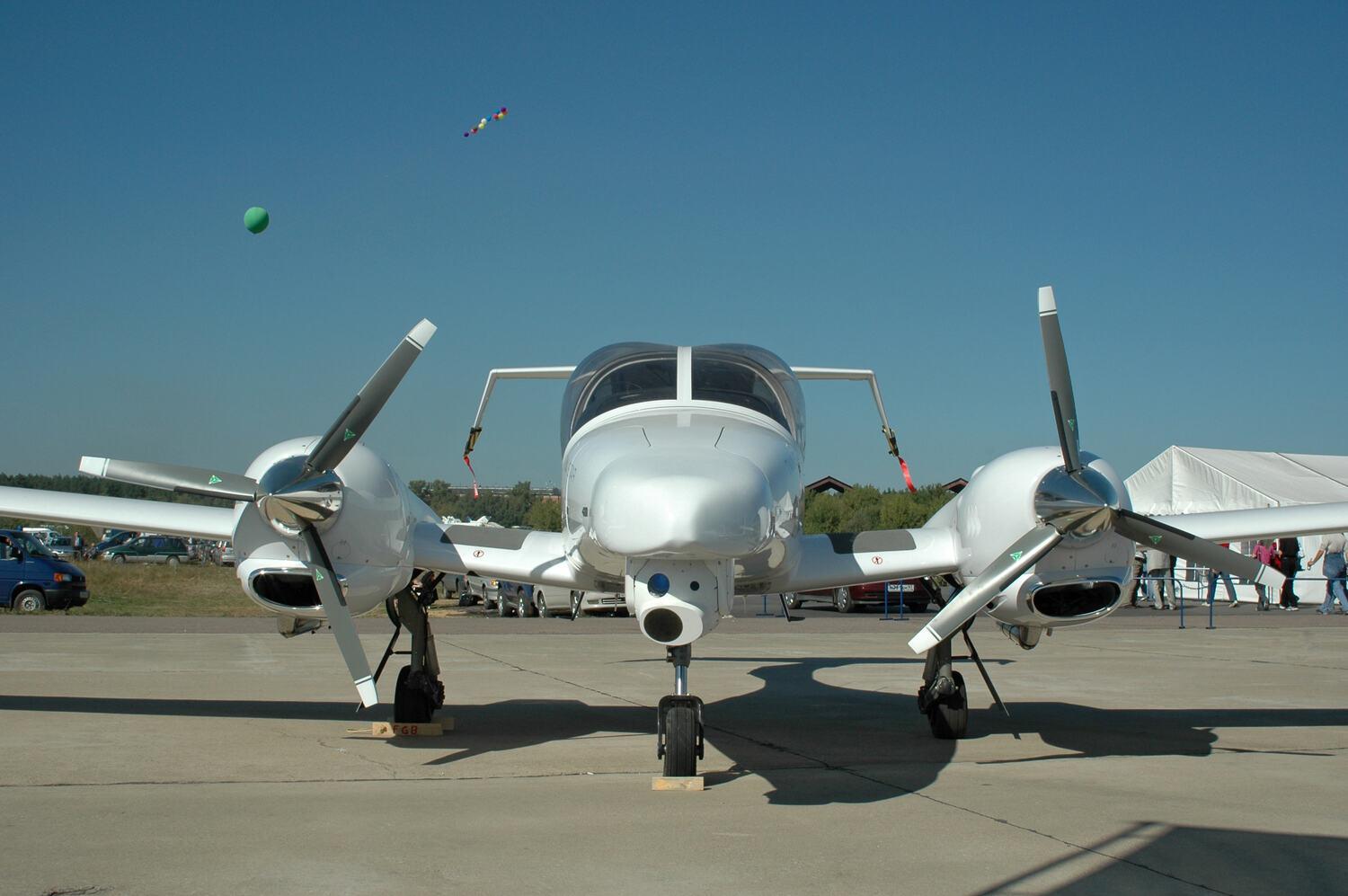
This is a different arrangement from a flight school leaseback, and it answers a different need. Here an operator — a company, a charter outfit, an individual — has an aircraft that is grounded, damaged or simply not enough for the mission, and needs a replacement for weeks or months. On the other side is an owner whose aircraft sits more than it flies.
The market for putting those two together is fragmented and runs on relationships. There is no dominant place to look. People use brokers, management companies, the listing sites, NBAA contacts, and word of mouth in their own region. That inefficiency is real, and it is the reason this site is building a matching service.
Wet and dry, and why the difference is not administrative
A wet lease, defined in 14 CFR 110.2, is an arrangement where one party provides an entire aircraft and at least one crewmember. The industry shorthand is ACMI — aircraft, crew, maintenance, insurance. The lessor keeps operational control, carries the regulatory responsibility, and in nearly every case must hold a Part 135 air carrier certificate.
A dry lease provides the aircraft and nothing else. The lessee brings their own pilots, takes operational control, and carries the regulatory responsibility. Assuming the use is non-commercial, they operate under Part 91 and no air carrier certificate is involved. In general aviation this is the far more common arrangement.
| Wet lease | Dry lease | |
|---|---|---|
| Crew | Provided by the lessor | Provided by the lessee |
| Operational control | Stays with the lessor | Transfers to the lessee |
| Certificate needed | Part 135, held by the lessor | None |
| Rules it flies under | Part 135 | Part 91 |
| Federal excise tax | Applies, 7.5% | Generally does not |
| Cost to the lessee | Higher, all-inclusive | Lower base, far more responsibility |
| Who carries operational liability | The lessor | The lessee |
Operational control is the concept everything turns on, and the regulation defines it plainly: the authority over initiating, conducting and terminating a flight. Who assigns the crew. Who decides the flight happens. Who is responsible for it being legal and airworthy.
The sham dry lease
An arrangement that is a dry lease on paper and a wet lease in practice is illegal charter, and the FAA has been giving it more attention rather than less. The agency looks at the totality of the facts, not the wording of the agreement. Advisory Circular 91-37B tells inspectors what to examine: who makes crew assignments, who starts and stops flights, who ensures compliance, who sets the operating conditions, who pays for the fuel and the airport fees.
- The lessor provides, arranges or has to approve the crew
- Several unrelated lessees fly the same aircraft with the same pilots
- The lessor controls scheduling, maintenance and insurance
- The lessee meets the pilot for the first time on the ramp
A clause stating that the lessee has operational control will not save an arrangement where the operations say otherwise. That sentence is the whole of the enforcement risk in one line.
Truth in leasing, and who it actually applies to
This is the most commonly misstated thing in the subject, so it is worth being exact. The truth-in-leasing requirements of 14 CFR 91.23 apply to US-registered large civil aircraft — those with a maximum certificated takeoff weight above 12,500 pounds. Not to a 172. Not to a Bonanza. Not to most of the aircraft this site is about.
Where it does apply, the requirements are specific. The lease carries a concluding paragraph in large print, immediately before the signatures, naming the party responsible for operational control and certifying the aircraft’s maintenance history for the preceding twelve months. A copy goes to the FAA Aircraft Registration Branch in Oklahoma City within 24 hours of signing. The nearest Flight Standards office is notified at least 48 hours before the first flight. A copy is carried aboard.
None of that means a lighter aircraft should be leased on a handshake. The FAA presumes the registered owner is the operator unless something says otherwise, and a written lease transferring operational control is the evidence that protects the owner from operational liability. The filing requirements are about weight. The question of who is in control applies to everyone.
Timesharing, interchange and joint ownership
Part 91.501 opens some narrow doors for large aeroplanes over 12,500 pounds and for turbojet multi-engine aircraft — arrangements that look like wet leases but stay under Part 91.
A time-sharing agreement leases the aircraft with crew, with reimbursement limited to a specific list of costs plus up to twice the fuel cost. An interchange agreement swaps time hour for hour between two owners. A joint ownership agreement lets co-owners share costs with one of them supplying the crew. NBAA members can reach some of these provisions for smaller aircraft through the association’s Small Aircraft Exemption.
These are genuinely useful and genuinely narrow. The reimbursement limits are not guidelines.
What it costs
The working rule of thumb for a dry lease rate is about one per cent of the aircraft’s value a month. On business jets, non-exclusive dry lease hourly rates start around $2,500 for a light jet and rise from there.
Short-term carries a premium, and the lessee should price in what the paperwork and the familiarisation cost as well — pilots new to the type need training or at minimum a proper checkout, and that is not free or instant.
What belongs in the agreement
- Exact start and end dates, extension options and notice, early termination and what it costs
- The rate and the meter, minimum guaranteed hours on longer terms, and how the monthly reconciliation works
- Who does scheduled and unscheduled maintenance, who picks the shop, and what happens on an AOG
- Return condition — airworthiness status, cosmetic standard, minimum engine parameters, and a pre-return inspection
- Damage: what counts as wear, who pays the deductible, and how a total loss is valued
- Insurance: hull and liability minimums, named and additional insureds, certificates before delivery, 30-day cancellation notice
- Crew qualifications matched to the insurance pilot warranty — on a wet lease this is not optional
- Indemnity in both directions, with the usual carve-out for the other party’s negligence
- The 91.23 statement, in large print before the signatures, if the aircraft is over 12,500 pounds
Document the aircraft’s condition before it goes and when it comes back, with photographs. Take a security deposit. Both of those are ordinary commercial hygiene and both get skipped between people who know each other.
A business turboprop or light jet on a quiet ramp at dusk, hangar doors open behind it. Corporate rather than recreational — this article is about a different reader from the rest of the site.