
Ownership Basics:
What It Really Takes
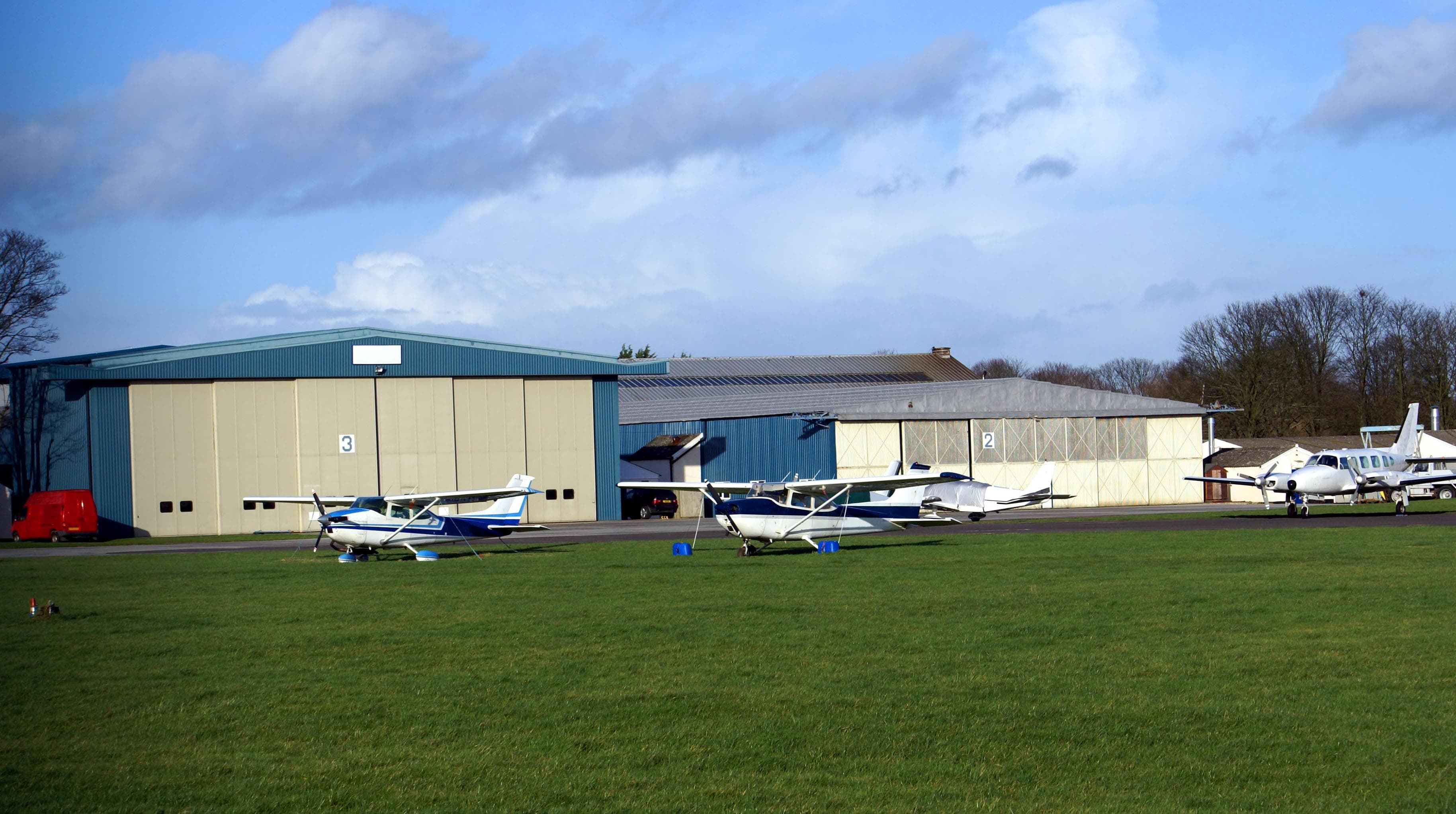
Owning an airplane is one of the most rewarding things a pilot can do. It's also a responsibility. Here's an honest look at what's involved — so there are no surprises after closing day.
You're Not Just a Pilot Anymore
The moment you sign the bill of sale, you become more than a pilot — you become an aircraft owner. That means you're responsible for keeping the airplane airworthy, legal, insured, and safe. The FAA doesn't care if your mechanic is behind schedule or your annual is overdue — the responsibility rests with you as the registered owner and operator.
None of this is meant to scare you off. Tens of thousands of people own airplanes and manage these responsibilities just fine. But the owners who enjoy it most are the ones who went in with their eyes open.
The Five Pillars of Ownership
Every aircraft owner deals with these five areas. Understanding them before you buy is the difference between loving ownership and being overwhelmed by it.
1. Maintenance & Inspections
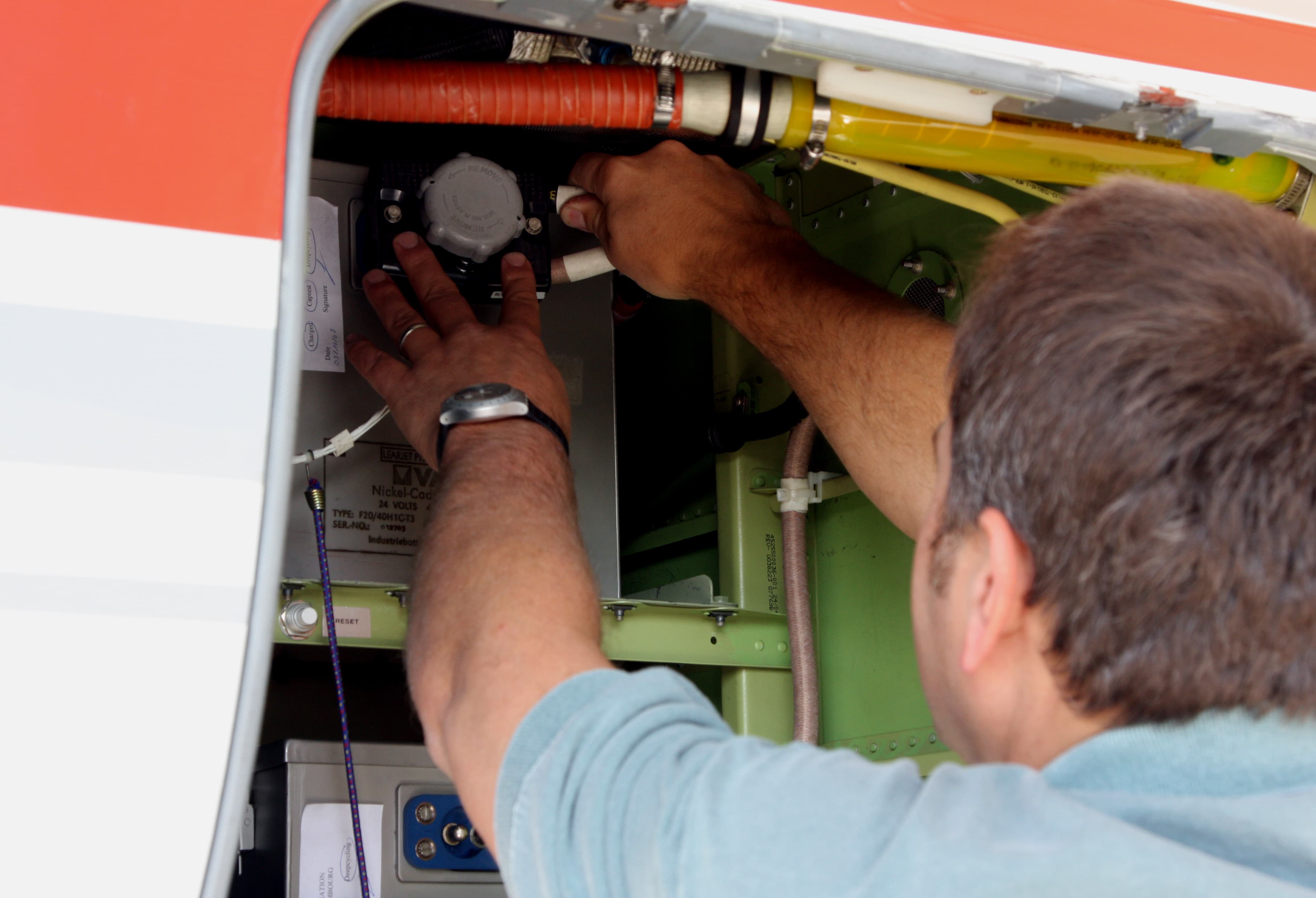
Every airplane requires an annual inspection performed by an IA (Inspection Authorization) mechanic or an FAA-certified repair station. This is non-negotiable — the airplane cannot legally fly without a current annual. Budget $1,500 to $5,000 depending on the aircraft type, with the potential for more if the mechanic finds issues that need addressing.
Beyond the annual, you're responsible for all ongoing maintenance — oil changes (typically every 50 hours or 4 months), tire replacements, brake pads, spark plugs, filters, and the inevitable squawks that come up in between. You'll also need to plan for the big-ticket items: engine overhaul (every 1,500–2,000 hours, $25,000–$45,000+), propeller overhaul, and avionics repairs.
The smartest owners set aside an engine reserve — a per-hour amount saved into a dedicated account — so the overhaul doesn't hit all at once. At $15–$30 per hour, flying 100 hours a year, that's $1,500–$3,000 going into the fund annually.
Typical Maintenance Costs
2. Insurance
Aircraft insurance isn't legally required in most states (unlike auto insurance), but operating without it is reckless. A single incident — a prop strike, a gear collapse, a hangar rash encounter — can cost tens of thousands. And if someone gets hurt, you're personally on the hook without liability coverage.
Aircraft insurance has two components: hull coverage (covers physical damage to the airplane) and liability coverage (covers damage or injury you cause to others). Premiums are based on the aircraft's value, your pilot experience, the aircraft type, and your claims history. Low-time pilots in high-performance aircraft pay the most.
The insurance market has tightened significantly in recent years. Get quotes before you buy an airplane — not after. What you can insure and at what cost may influence which aircraft makes sense for you.
Annual Premium Ranges
3. Hangaring & Storage
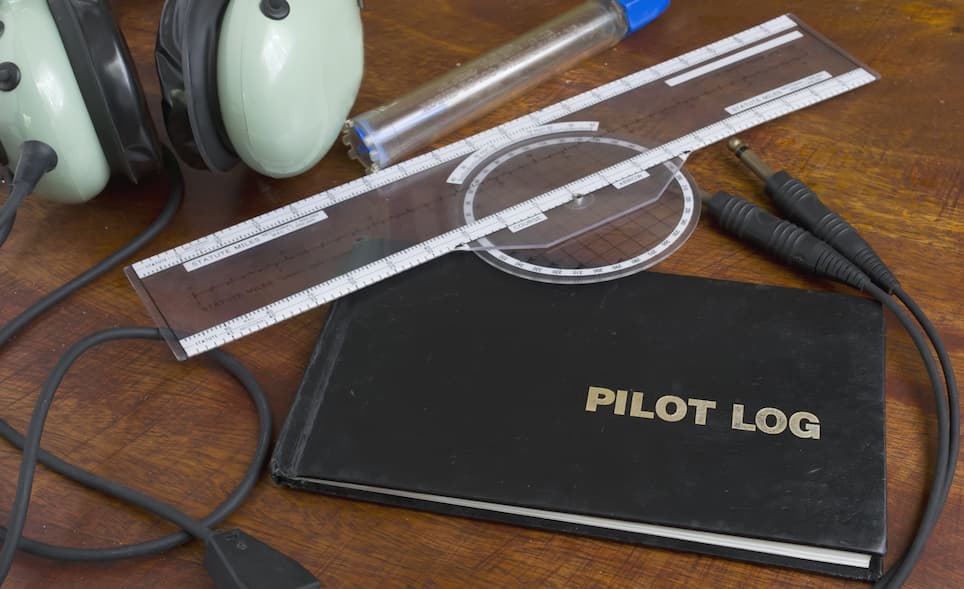
Your airplane needs a place to live. The two main options are a hangar(enclosed building) or a tie-down (open ramp with ropes or chains). Hangars protect your aircraft from sun, weather, and hangar rash from neighboring planes, but they cost more and often have long waitlists at busy airports.
Hangar rates vary wildly by location — $200/month at a quiet rural airport to $1,500+/month at a major metro field. Tie-downs are cheaper ($50–$200/month) but expose your airplane to UV damage, corrosion, bird nests, and weather. Over time, a hangared airplane holds its value significantly better than one that lives on the ramp.
Factor this cost into your budget before you buy. If the airports near you have two-year hangar waitlists and you're not willing to tie down, that changes the math.
Hangar vs. Tie-Down
Individual enclosed unit. Best protection. Most common for piston singles.
Split a larger hangar with other owners. Covered but risk of hangar rash.
Open ramp. Cheapest option. Sun and weather exposure year-round.
4. Regulatory & Paperwork
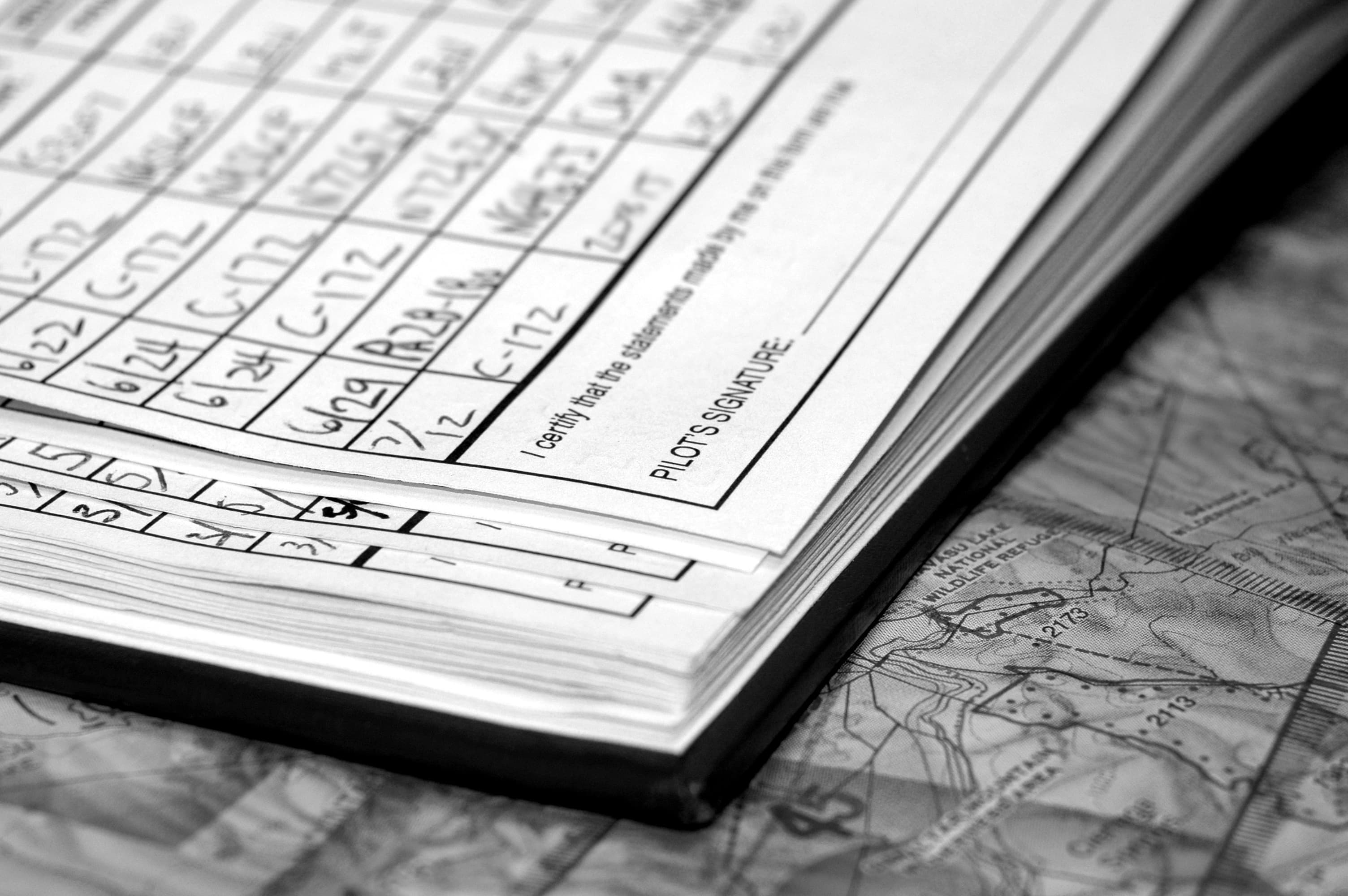
The FAA requires every aircraft to have current registration(renewed every 3 years) and a valid airworthiness certificate(issued once but remains valid as long as the airplane is maintained in accordance with FARs). You must also keep the aircraft's logbooks — airframe, engine, and propeller — up to date. These are the airplane's permanent record and critical to its value.
Additionally, you'll need to comply with Airworthiness Directives (ADs) — mandatory maintenance actions issued by the FAA when a safety issue is identified. Some ADs are one-time fixes, others are recurring inspections. Your mechanic will track these, but ultimately it's your responsibility to ensure compliance.
Other paperwork: ADS-B compliance (already required), ELT battery and inspection due dates, transponder and static system checks (every 24 months for IFR), and state registration or personal property taxes depending on where you're based.
ARROW — What Must Be On Board
Every flight, every time:
5. The True Cost of Ownership
Here's the number that surprises most new owners: the purchase price is often the smallest part of owning an airplane. The ongoing costs — hangar, insurance, annual, fuel, reserves, subscriptions, taxes — add up to a number that's significantly larger than the monthly loan payment.
A reasonable estimate for a typical four-seat piston single (Cessna 172, Cherokee 180, etc.) flown 100 hours per year is $15,000–$25,000 per year in total operating cost, not counting the purchase price or financing. Higher-performance aircraft and twins cost proportionally more.
The key to managing these costs is tracking them — religiously. Know your cost per hour, know where the money goes, and build reserves for the big expenses. The owners who get caught off guard are the ones who stop paying attention.
Annual Cost Snapshot — C172
100 hours/year, Southeast U.S.
≈ $195/hr or $1,625/month
The best owners don't spend less — they spend smarter. Track everything, plan ahead, and the numbers work.
Advice From Experienced Owners
Find a Good Mechanic Before You Buy
Your relationship with your A&P/IA is one of the most important you'll have as an owner. Ask around at your airport, talk to other owners, and find someone who communicates well and knows your aircraft type. A great mechanic will save you money in the long run.
Join a Type Club
Whether it's the Cessna Flyer Association, American Bonanza Society, or Mooney Aircraft Pilots Association — type clubs are goldmines of knowledge. Members share maintenance tips, AD compliance strategies, parts sources, and mechanic recommendations. The annual membership pays for itself with the first piece of advice that saves you money.
Track Every Dollar
Keep a spreadsheet, use an app, or write it in a notebook — but track every expense. Know your cost per hour. Know where the money goes. You can't manage what you don't measure, and the owners who get blindsided are the ones who stop tracking.
Fly the Airplane
Airplanes that sit deteriorate faster than airplanes that fly. Seals dry out, corrosion sets in, batteries die, and fuel goes stale. Commit to flying regularly — at least twice a month. It's better for the airplane, better for your proficiency, and it's the whole reason you bought it.
Budget for the Unexpected
Something will break that you didn't plan for. A cylinder will fail compression, a nav radio will quit, or you'll find corrosion during the annual. Build a maintenance reserve of at least $3,000–$5,000 beyond your engine fund, and don't touch it unless the airplane needs it.
More on Owning & Operating
Accessories & Gear
The headsets, GPS units, flight bags, and tools that make ownership more enjoyable.
Adventures
What to do with your airplane — $100 hamburgers, backcountry flying, fly-in camping, and island hopping.
Partnerships
Split the costs and share the joy. Partnerships make these numbers much more manageable.
Track Your Costs.
Own Smarter.
AirplaneOwners.io is where aircraft owners track real expenses, benchmark against similar aircraft, and finally answer the question: "What does it actually cost to own this airplane?"
Enter your N-number, log your expenses, and see how your costs compare to the fleet. Your data stays private — the insights are shared.