

Flying Clubs:
A Smarter Way to Fly
Aircraft ownership isn't the only path to the sky. Flying clubs put you in the left seat for a fraction of the cost — with a community of pilots behind you.
What Is a Flying Club?
A flying club is a member-run organization that gives pilots affordable access to a fleet of aircraft. Unlike renting from an FBO or flight school, a flying club operates on a not-for-profit basis — meaning every dollar goes back into maintaining the airplanes and serving the membership. There's no markup, no profit motive, and no strangers tossing you a set of keys.
Think of it this way: if buying an airplane is like owning a home, and renting from an FBO is like staying in a hotel, then a flying club is the neighborhood where everybody shares a set of well-kept machines and looks out for each other. You pay a membership fee to join, monthly dues to keep the lights on, and an hourly rate when you fly — typically well below what you'd pay anywhere else.
Flying clubs have been around almost as long as general aviation itself. Today, they range from small groups of four or five pilots sharing a single Cessna 172, to large organizations with dozens of members and a fleet of aircraft covering everything from trainers to high-performance retractables.
How Flying Clubs Work
There are two main models, and which one is right for you depends on your budget, your goals, and how deep you want to invest.
Equity Club
You own a share of the airplane
Buy-In: $5,000 – $15,000+
You purchase an ownership share of the club's aircraft. When you leave, you sell your share — often at the current assessed value.
Monthly Dues: $75 – $200
Covers insurance, hangar, maintenance reserves, and club administration.
Hourly Rate: $80 – $150 wet
Often based on tach time (not Hobbs), which saves money on every flight.
Best for: Pilots who fly regularly and want a financial stake in the aircraft. You share in both the costs and the equity.
Non-Equity Club
You pay for access, not ownership
Initiation Fee: $250 – $500
A one-time, typically non-refundable fee to join the club. No ownership stake — just access to the fleet.
Monthly Dues: $50 – $100
Keeps the club running. Walk away anytime without selling a share.
Hourly Rate: $100 – $170 wet
Slightly higher than equity clubs, but still well below FBO rental rates.
Best for: Pilots who want flexibility without a big financial commitment. Great for students, newer pilots, and those testing the waters.
Why Join a Flying Club?
It's not just about the money — though that helps. Here's what makes flying clubs one of aviation's best-kept secrets.
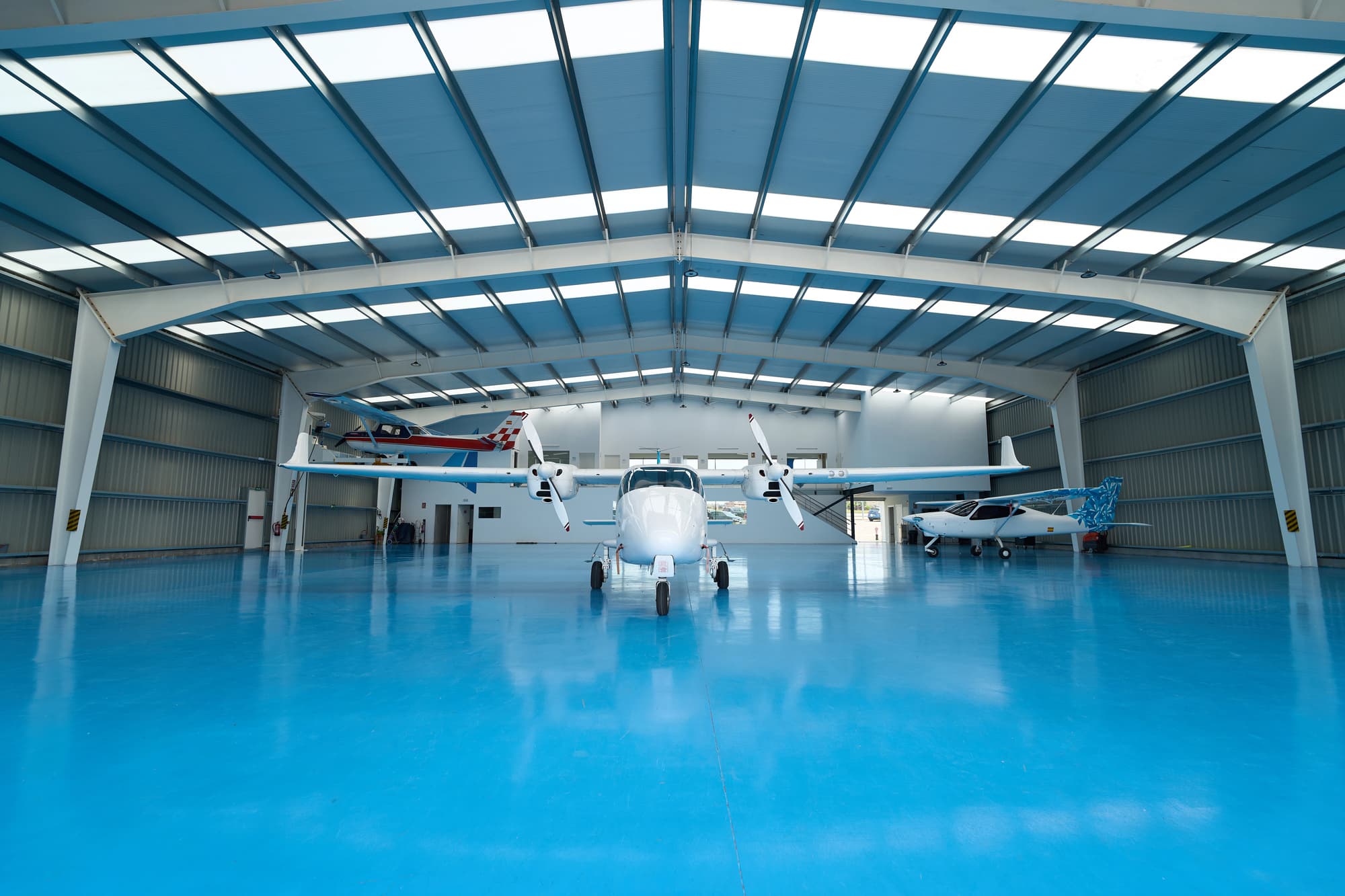
Dramatically Lower Costs
Clubs operate without a profit motive. That means every dollar of your dues and hourly rate goes directly to keeping the aircraft maintained, insured, and hangared. Many club members fly for 30–50% less than FBO rental rates.
Built-In Community
Flying can be solitary. Clubs change that. Monthly fly-outs, hangar cookouts, safety seminars, and just having people around who get it — that's the stuff that keeps pilots active and engaged for decades.
Training & Mentorship
Many clubs have CFIs among their members who offer instruction at reduced rates. Whether you're working on your private certificate or knocking out an instrument rating, a club is one of the most affordable places to train.
Fleet Variety
Some clubs maintain multiple aircraft types — a trainer for currency, a four-seater for family trips, maybe a high-performance single for longer cross-countries. One membership, multiple airplanes.
Shared Responsibility
Maintenance, insurance, scheduling, annual inspections — the club handles it. You show up, do your preflight, and fly. That's a powerful thing for pilots who want to fly without the full weight of ownership.
Organizations Championing Flying Clubs
The flying club movement has powerful allies. These organizations provide guidance, resources, and advocacy to help clubs form, grow, and thrive.
Aircraft Owners & Pilots Association
You Can Fly — Flying Clubs Initiative
AOPA's "You Can Fly" initiative is one of the most comprehensive flying club support programs in the country. They offer a complete guide to starting a flying club, a nationwide club finder directory, downloadable bylaws and membership templates, and regional workshops held at fly-ins across the country. If you're serious about joining or starting a club, AOPA is the first call you make.
Experimental Aircraft Association
Flying Club Resources & Chapter Network
EAA approaches flying clubs through its massive chapter network — over 900 chapters worldwide. While chapters themselves can't operate aircraft, they're the perfect incubator for forming a flying club. EAA provides guidance on structuring non-equity clubs, connecting with local members, and even finding aircraft owners willing to lease their underutilized airplanes into a club arrangement.
Federal Aviation Administration
Advisory Circular AC 00-25: Forming and Operating a Flying Club
The FAA's original advisory circular on forming and operating a flying club remains a foundational document. While it reads like the government wrote it (because they did), it covers the regulatory framework, safety requirements, and organizational fundamentals that every club should understand. It's free to download and worth the read if you're starting a club from scratch.
Download FAA Advisory Circular (PDF)Thriving Flying Clubs Across America
From coast to coast, flying clubs are keeping general aviation alive and accessible. Here are a few that are doing it right.
Ann Arbor, Michigan
Ann Arbor Flyers
One of the oldest flying clubs in the country — over 75 years of continuous operation. A multi-aircraft equity club that has kept generations of Michigan pilots in the air with a strong culture of shared maintenance and community fly-outs.
Morristown, New Jersey
150th Aero Flying Club
Based at Morristown Airport (KMMU), this club operates four IFR-capable Cessnas with about 70 members. Known for wet rates on tach time, a $250 initiation fee, and $70 monthly dues — a model of accessibility in the expensive Northeast corridor.
Denton, Texas
AeroValley Flying Club
A non-equity, no-markup club that operates leaseback aircraft at dry tach rates. With a $325 initiation fee and $95 monthly dues, AeroValley is a textbook example of keeping costs as low as humanly possible while maintaining a quality fleet.
Fun Fact: The Sky-Hi Flying Club
Based at AOPA's home field in Frederick, Maryland, the Sky-Hi Flying Club re-evaluates its aircraft assets annually to keep equity buy-in amounts fair and current. It's often referenced by AOPA as a model for how equity clubs should handle member value — and proof that flying clubs and industry advocacy organizations can thrive side by side on the same ramp.
Is a Flying Club Right for You?
A flying club won't be the right fit for everyone. If you fly 200+ hours a year and need an airplane on your schedule without question, ownership is probably your path. But if you're flying 50 to 100 hours a year — which is where most general aviation pilots land — a club can put you in the air for dramatically less money while surrounding you with people who share your passion.
The general rule of thumb is no more than 10 active pilots per airplane. If a club honors that ratio, scheduling conflicts are rare. Many clubs also use online reservation systems that make booking as easy as reserving a table at a restaurant.
And here's something that doesn't get said enough: flying clubs keep pilots flying. The cost of aircraft ownership pushes a lot of certificated pilots to the sidelines. They earned their wings, they love to fly, but the math just doesn't work for sole ownership. A flying club changes that math entirely. It's the difference between a pilot who flies and a pilot who used to fly.
Quick Cost Comparison
Approximate annual cost to fly 75 hours in a Cessna 172
* Estimates based on national averages for a well-maintained Cessna 172. Actual costs vary significantly by region, aircraft condition, and club structure. Sole ownership cost excludes purchase price and financing.
Explore Other Paths to the Sky
Buying an Airplane
Ready to own? Our six-step guide walks you from first consideration to closing day.
Co-Ownership & Partnerships
Split the costs with one to four partners. More access than a club, less cost than going solo.
Browse Aircraft
Explore 206 models from 42 manufacturers. Find the airplane that fits your mission and your budget.

America's Flying Clubs
We're building the most comprehensive flying club directory in the country — a place to find clubs, compare options, read reviews, and connect with your local aviation community.
Whether you're looking to join a club or start one from scratch, AmericasFlyingClubs.com will be your launchpad.